There are gardens where every plant can kill you.
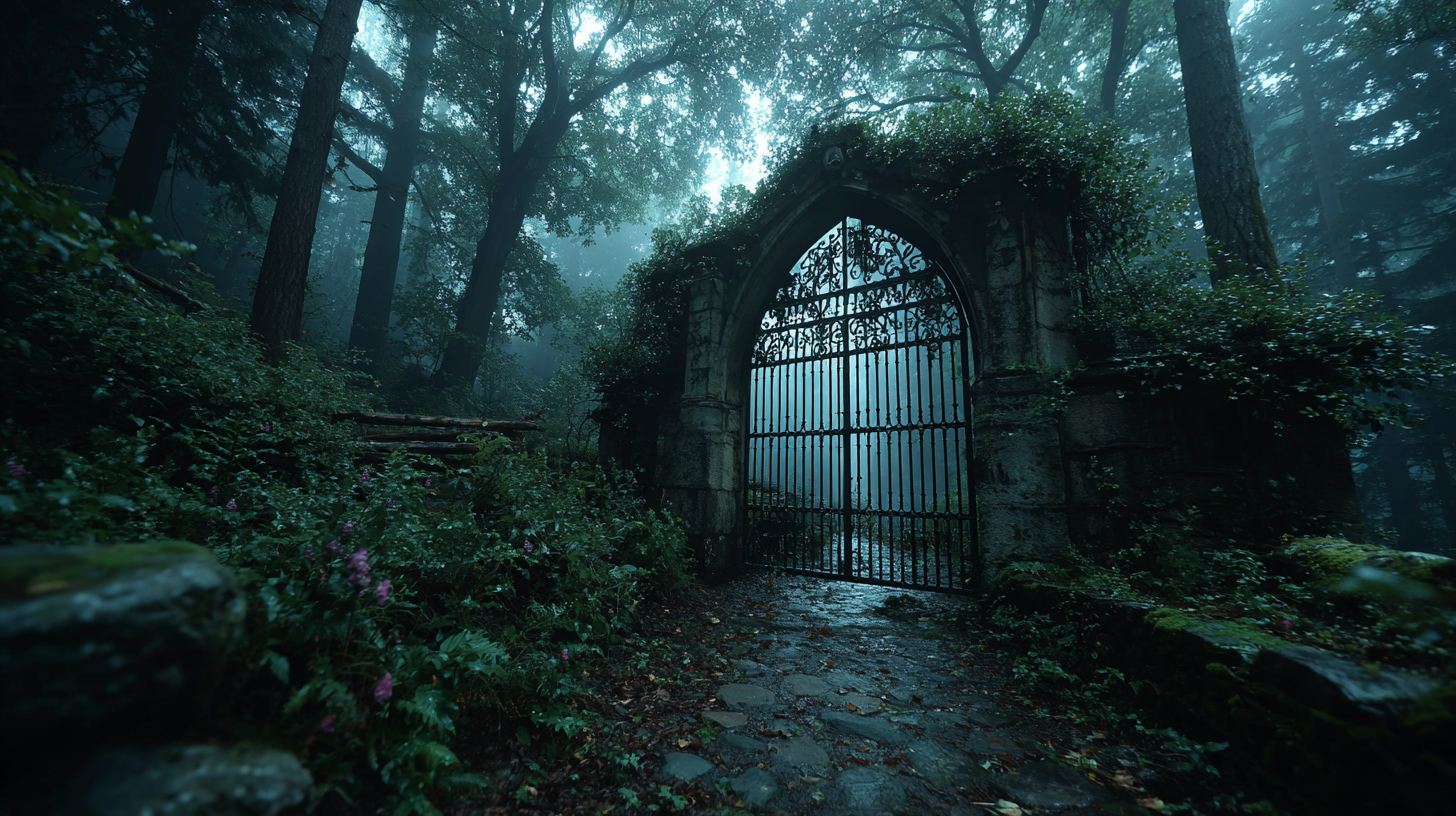
Behind iron gates, past skull-and-crossbones warnings, in deliberate and curated darkness, some of the most beautiful plants on earth grow alongside some of the most lethal. They share the same soil. They bloom in the same seasons. The only difference is what happens if you reach out and touch one.
RELATED:
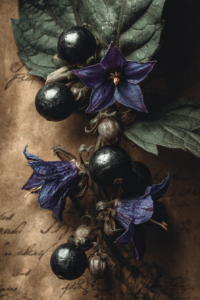
These are not neglected places. They are tended carefully, by people who know exactly what they are working with. The plants are labeled. The paths are maintained. In some collections, the most dangerous specimens grow behind locked enclosures, not because they look dangerous but because they do not. A foxglove is simply a tall purple flower until you know what it contains. Deadly nightshade produces berries that look like food. The autumn crocus blooms in September like something innocent rising from the ground.
The poison garden exists because the most important thing you can do with a dangerous plant is learn its name.
RELATED: The Poison Garden Plant List: A Complete Guide to Toxic and Bewitching Botanicals
What Is a Poison Garden?
A poison garden is a curated collection of plants selected specifically for their toxic, narcotic, or otherwise dangerous properties.
Unlike a general botanical garden, which documents plant life broadly, a poison garden is an intentional act. Every specimen was chosen because it demands to be known before it is encountered.
Poison gardens exist for different reasons depending on who built them:
- Educational spaces designed to teach the difference between dose and poison, between remedy and death
- Historical recreations of the medieval apothecary tradition, where healers kept harmful and healing plants side by side
- Aesthetic collections built simply because the plants are beautiful, and beauty is allowed to be dangerous
The defining characteristic is intentionality. These are not weeds that crept in uninvited. They were chosen, cultivated, and tended with full knowledge of what they are.
A Brief History of Poison Gardens
The idea of gathering dangerous plants together stretches back to antiquity. Ancient Roman gardens grew oleander ornamentally along their walls, fully aware of its lethality. The word pharmacy itself derives from the Greek pharmakon, meaning both remedy and poison. The two were never entirely separate.
The monastery apothecary gardens of medieval Europe were among the earliest formal poison collections in the Western tradition. Monks cultivated poisonous plants alongside medicinal ones because, at controlled doses, many of these same plants treated illness:
- Foxglove regulated an irregular heart
- Deadly nightshade eased surgical pain
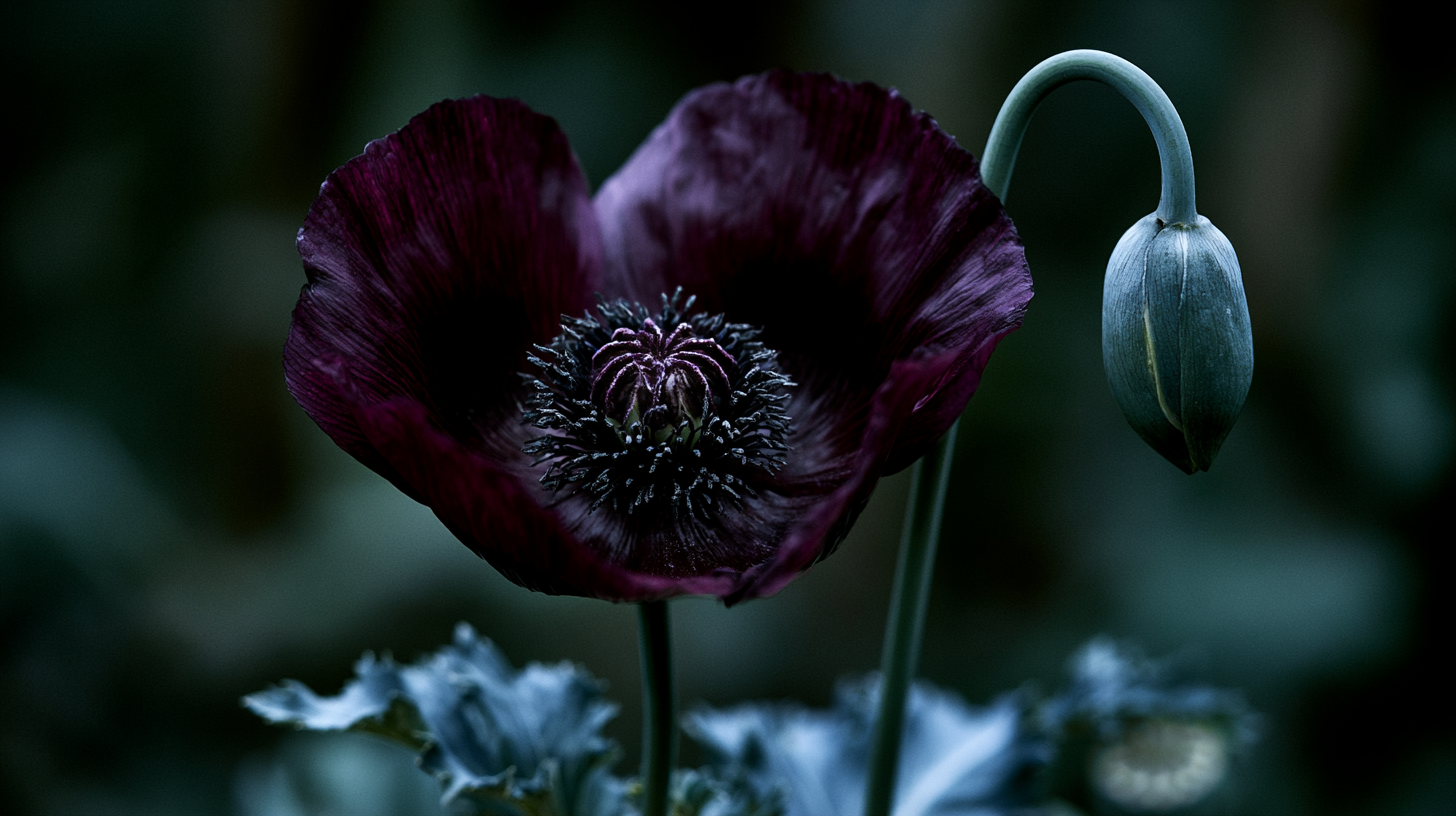
- Henbane and mandrake were used as primitive anaesthetics
The line between cure and death was a matter of careful measurement, and apothecaries needed to be able to identify these plants by sight.
The Renaissance gardens of Padua and London formalized this tradition. The Botanical Garden of Padua, founded in 1545, maintained a poison collection so students of medicine could learn identification firsthand. The Chelsea Physic Garden, established in 1673, followed the same philosophy.
The courts of Renaissance Europe took a darker view. Noble families including the Borgias of Italy and the Medicis of France were said to maintain private poison collections as tools of political maneuvering. Hemlock, monkshood, and nightshade grew discreetly among the roses while history was quietly being rewritten by the people who tended them.
The Poison Garden and Dark Cottagecore
Dark cottagecore is, at its heart, an honest aesthetic. Where its softer counterpart tends toward the sunlit and the wholesome, dark cottagecore looks at the same natural world and refuses to edit out the parts that bite back. The fog. The rot. The plant with the beautiful berry that will kill you if you eat it.
The poison garden belongs here completely, and the connection runs on a few levels.
The visual language. Poison garden plants are among the most striking the natural world produces:
- The hooded purple flowers of monkshood
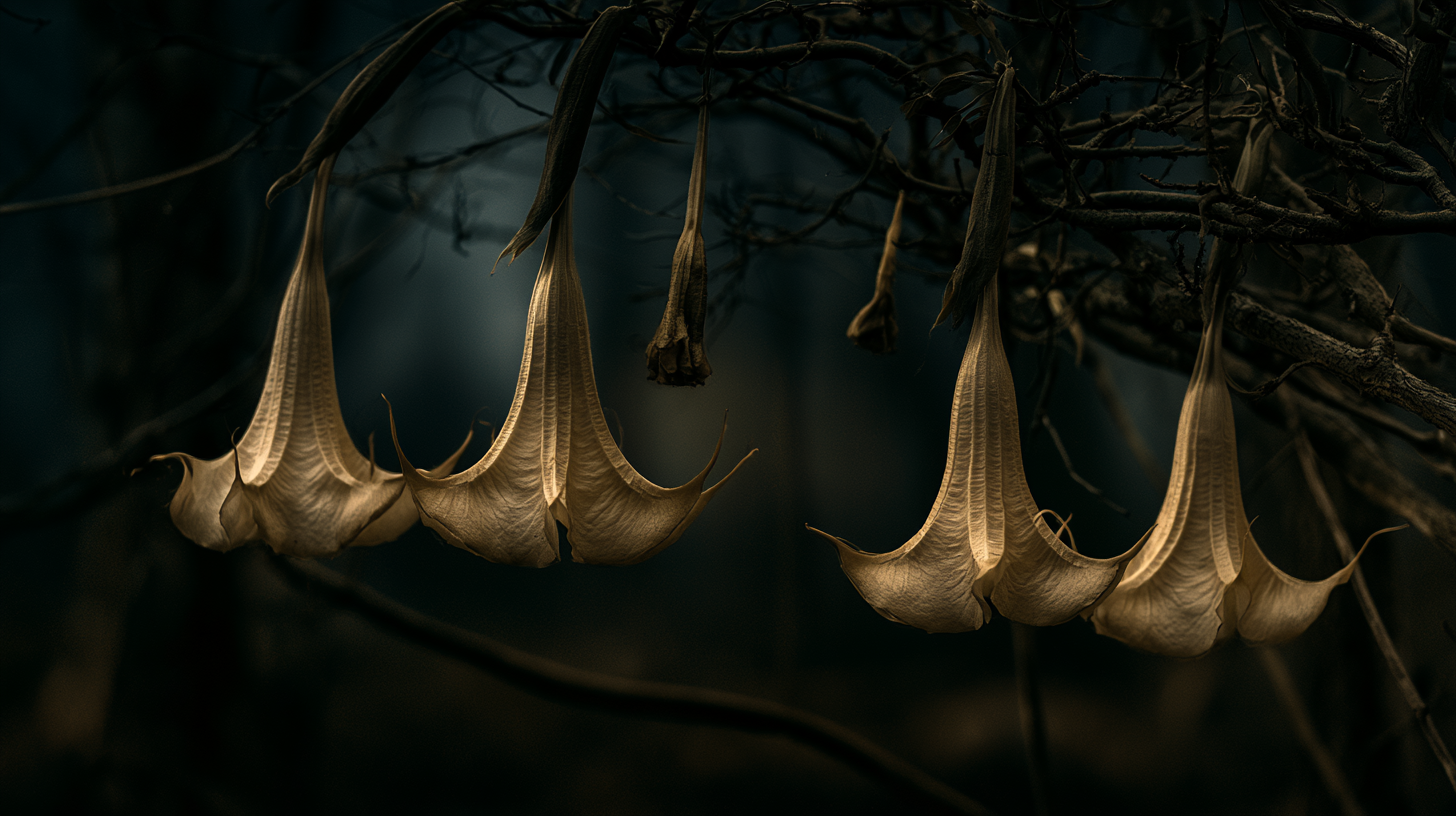
- The pendant trumpets of brugmansia
- The jewel-bright berries of bittersweet nightshade catching autumn light
- The skeletal winter silhouette of a yew that has stood for two thousand years
They photograph beautifully, press beautifully, and illustrate beautifully precisely because they have nothing to prove.
The philosophy. The poison garden treats knowledge as a form of respect. You do not walk into one casually. You learn the names. You learn the histories. You learn what each plant has done to the people who underestimated it. This is the same instinct that draws dark cottagecore toward folklore, toward the old apothecary traditions, toward the pressed botanical on aged parchment: the belief that the natural world deserves to be understood on its own terms.
The history. The poison garden is, quietly, a feminist archive. Belladonna, henbane, mandrake, datura: these plants appear again and again in the records of women who were feared precisely because they understood what grew in the hedgerow.
Healers, herbalists, accused witches, and the poisoners of history who used the garden as one of the few instruments of power available to them. The poison garden does not sanitize this history. It holds it.
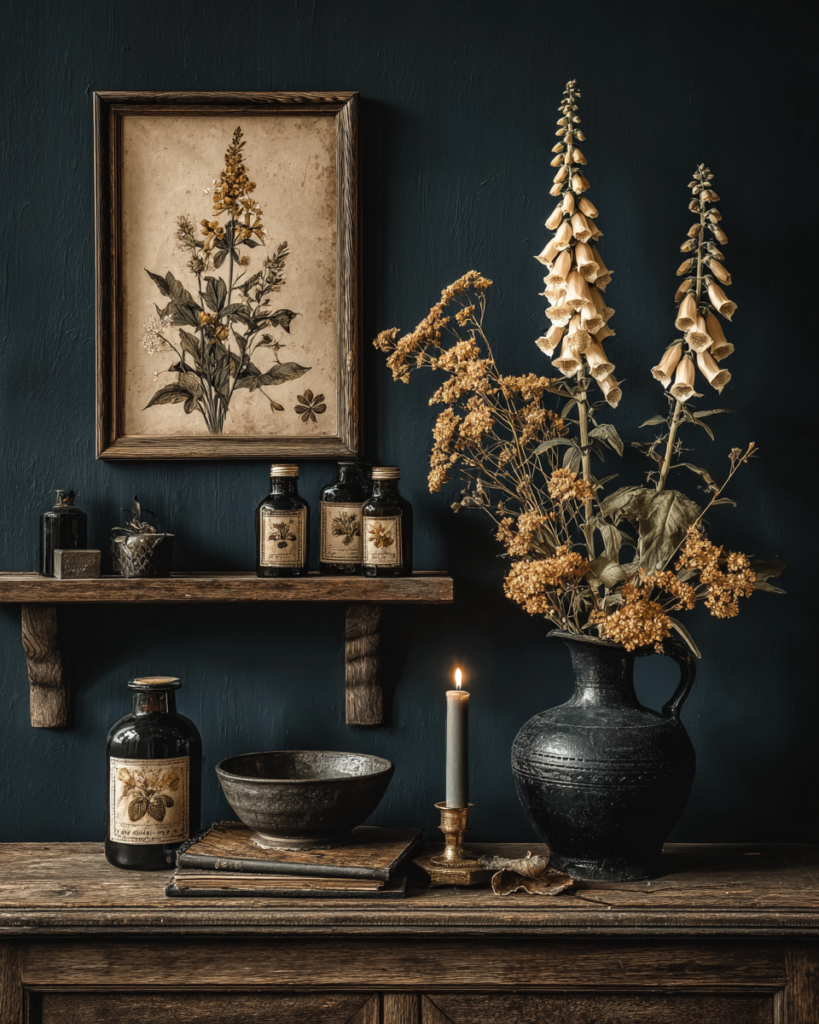
For the dark cottagecore home, the poison garden offers a design language that is both beautiful and meaningful: specimen prints of deadly plants, apothecary bottles labeled in a careful hand, a garden bed where foxglove and hellebore grow together in the shadow of a stone wall. A way of saying: I know what this is. I find it beautiful anyway.
Why Poison Gardens Matter
The poison garden is not a celebration of death. It is a record of the long relationship between humans and the dangerous world we have always inhabited.
Every plant in a poison garden is also, somewhere in its history, a medicine, a ritual tool, a dye, a food source, or a subject of profound cultural meaning. The foxglove heals the heart it could destroy. The mandrake anaesthetized surgical patients before anaesthesia had a formal name.
The poison garden asks you to hold two things at once: that beauty is not safety, and that danger is not the same as evil.
Plants do not have intentions. They simply are what they are. And what they are is extraordinary.