There are gardens where every plant can kill you.
Behind iron gates, past skull-and-crossbones warnings, in deliberate and curated darkness, some of the most beautiful plants on earth grow alongside some of the most lethal.
They share the same soil. They bloom in the same seasons. The only difference is what happens if you reach out and touch one.
The poison garden is one of the oldest ideas in the history of cultivation. Long before botanic gardens existed as institutions, healers, monks, poisoners, and philosophers understood that dangerous plants needed to be known.
To name them. To grow them where they could be studied. To understand exactly what they were capable of.
This collection is a living reference for the plants of the poison garden: what they are, what they do, and why they have fascinated and terrified people for centuries. It will grow over time, as all gardens do.
What Is a Poison Garden?
A poison garden is a curated collection of plants selected specifically for their toxic, narcotic, or otherwise dangerous properties. Unlike a general botanical garden, which documents plant life broadly, a poison garden is an intentional act. Every specimen was chosen because it demands to be known before it is encountered.
Some poison gardens are educational spaces, designed to teach the difference between dose and poison, between remedy and death. Others are historical recreations of the medieval apothecary tradition, where healers kept harmful and healing plants side by side because the line between the two was always a matter of measurement.
A few exist simply because the plants are beautiful, and beauty is allowed to be dangerous.
The defining characteristic is intentionality. These are not weeds that crept in uninvited. They were chosen, cultivated, and tended with full knowledge of what they are.
RELATED: What Is a Poison Garden? The Dark Cottagecore Guide
The Poison Garden Plant List
This is a growing collection. Each plant links to its own full profile, covering identification, toxicity, history, folklore, and the complicated relationship between poison and medicine that runs through all of them.
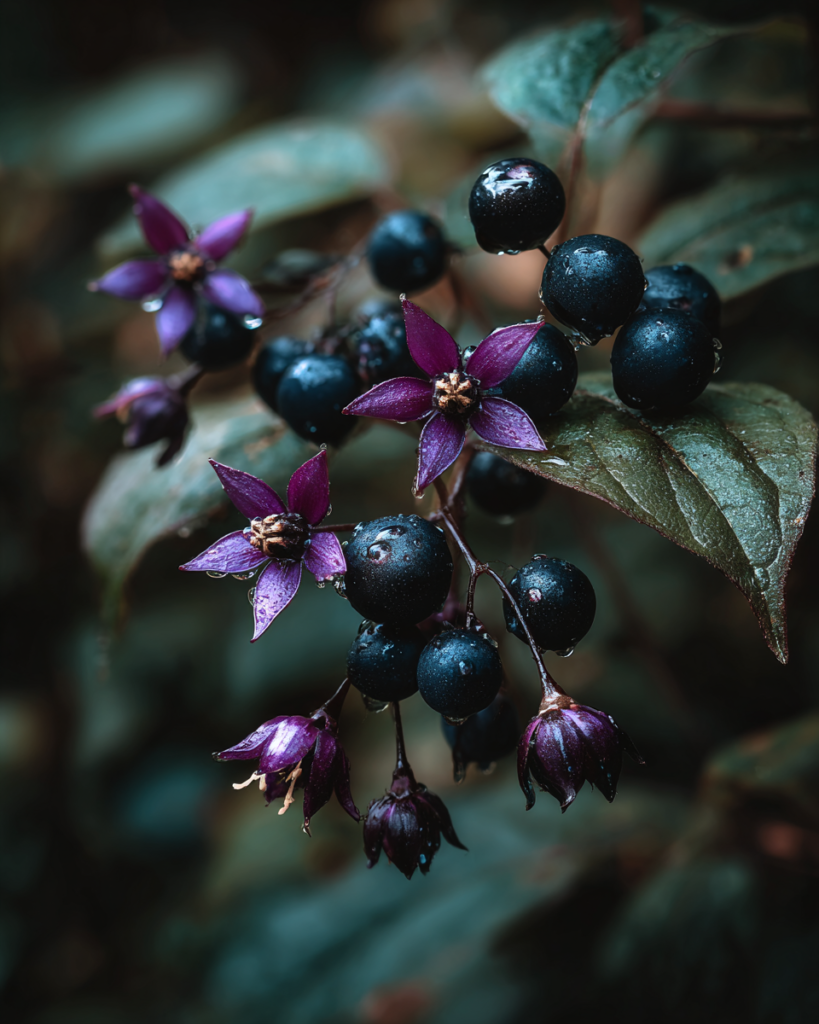
Atropa belladonna (Deadly Nightshade)
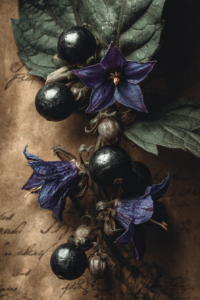
The queen of the poison garden. Atropa Belladonna produces shining black berries that look edible, taste sweetly deceptive, and contain enough tropane alkaloids to kill.
Named after Atropos, the Greek Fate who cuts the thread of life, this plant has been wound through the history of witchcraft, medicine, and murder for over a thousand years.
FULL POST: Atropa Belladonna: The Queen of the Poison Garden
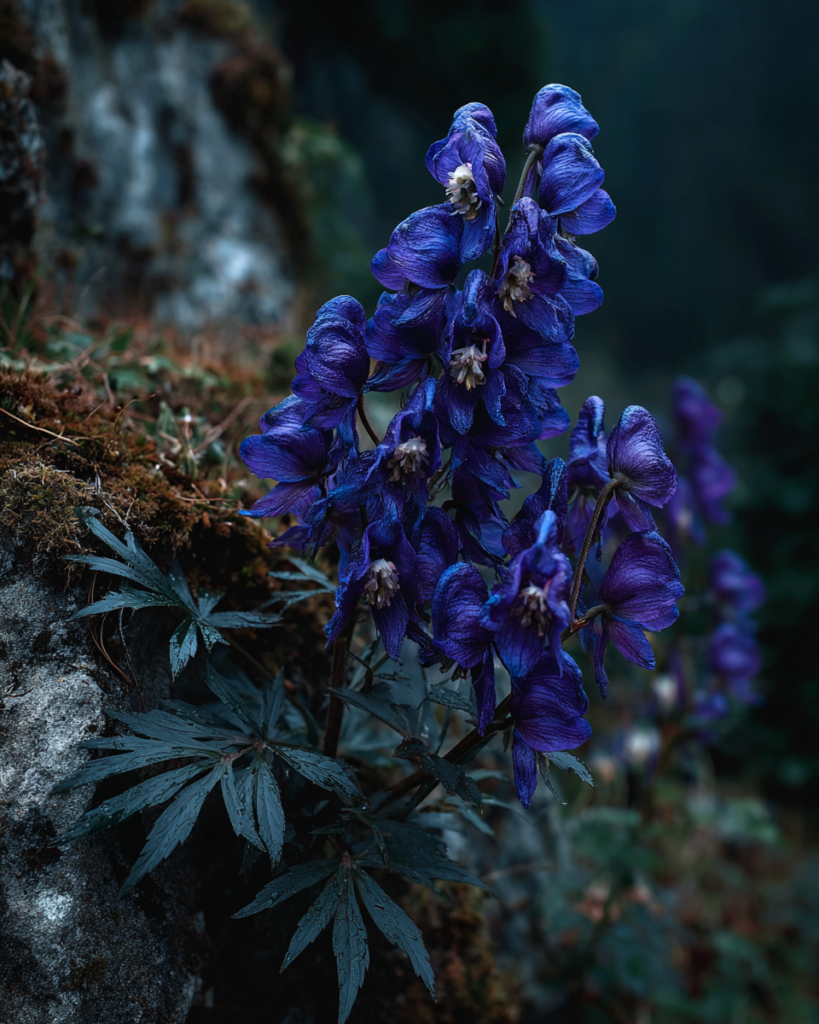
Aconitum napellus (Monkshood / Wolfsbane)
Hooded purple flowers, roots that cause paralysis, and a mythology reaching back to the three-headed dog of the underworld.
Aconitum is widely considered one of the most toxic plants in temperate Europe, used historically to poison water supplies in warfare and to ward against werewolves in folklore.
FULL POST: Aconitum Napellus: Monkshood, Wolfsbane, and the Queen of Poisons

Brugmansia (Angel's Trumpets)
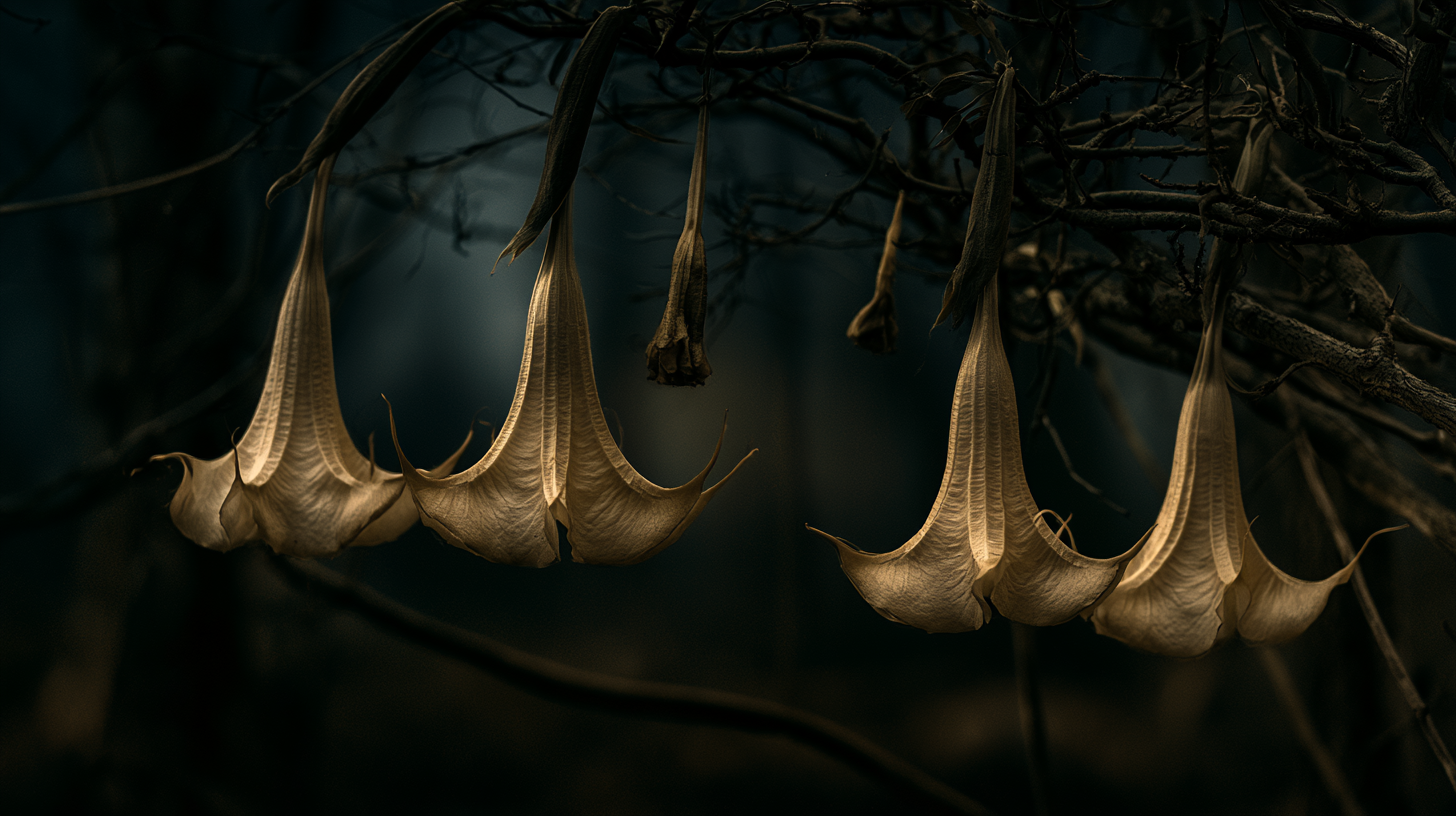
Enormous pendant flowers that hang like lanterns and release a heavy fragrance in the evening. One of the most visually dramatic plants in the poison garden, and one of the most chemically dangerous.
All parts contain tropane alkaloids in high concentrations. In parts of South America it is known as borrachero: the plant that makes you drunk and obedient.
FULL POST: Brugmansia: The Toxic Truth Behind Angel’s Trumpets
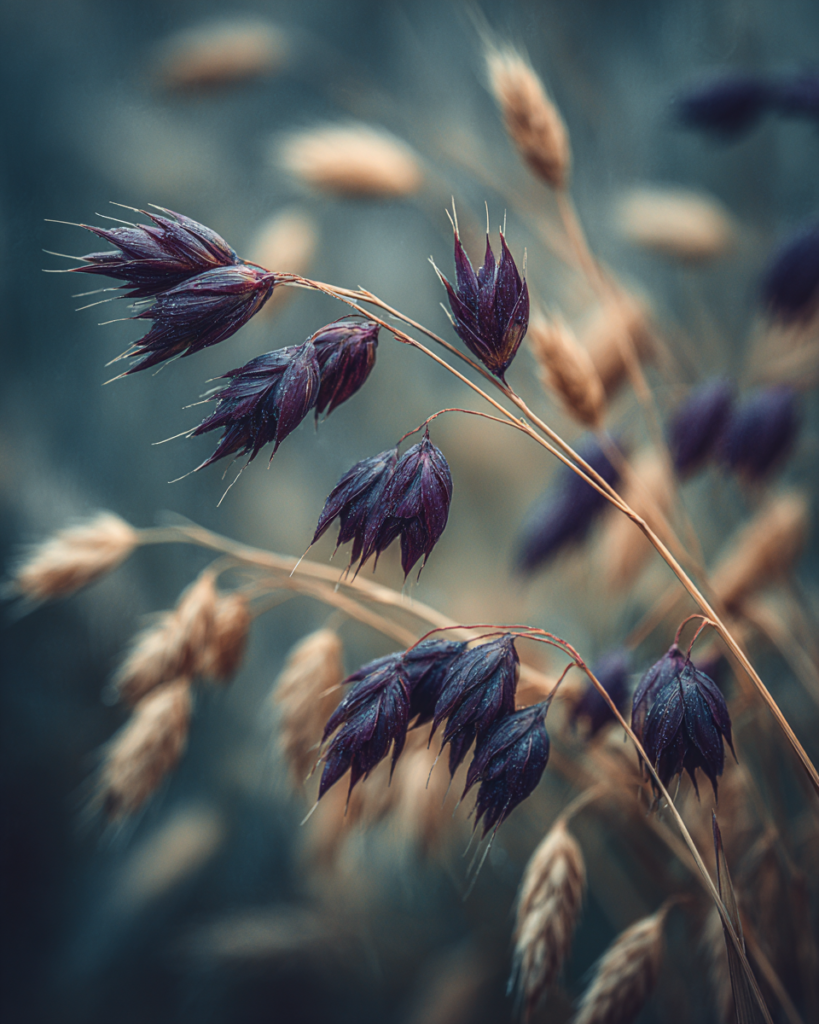
Claviceps purpurea (Ergot)
Ergot is a fungus rather than a flowering plant, but no serious poison garden omits it. It infects rye and other cereal grasses, and its alkaloids caused a condition historically known as St. Anthony’s Fire: convulsions, hallucinations, and gangrenous limbs as blood vessels constricted and tissue died.
Ergot poisoning has been proposed as an explanation for several of the most disturbing mass hysteria events in European and American history. LSD was first synthesized from one of its compounds.
FULL POST COMING SOON
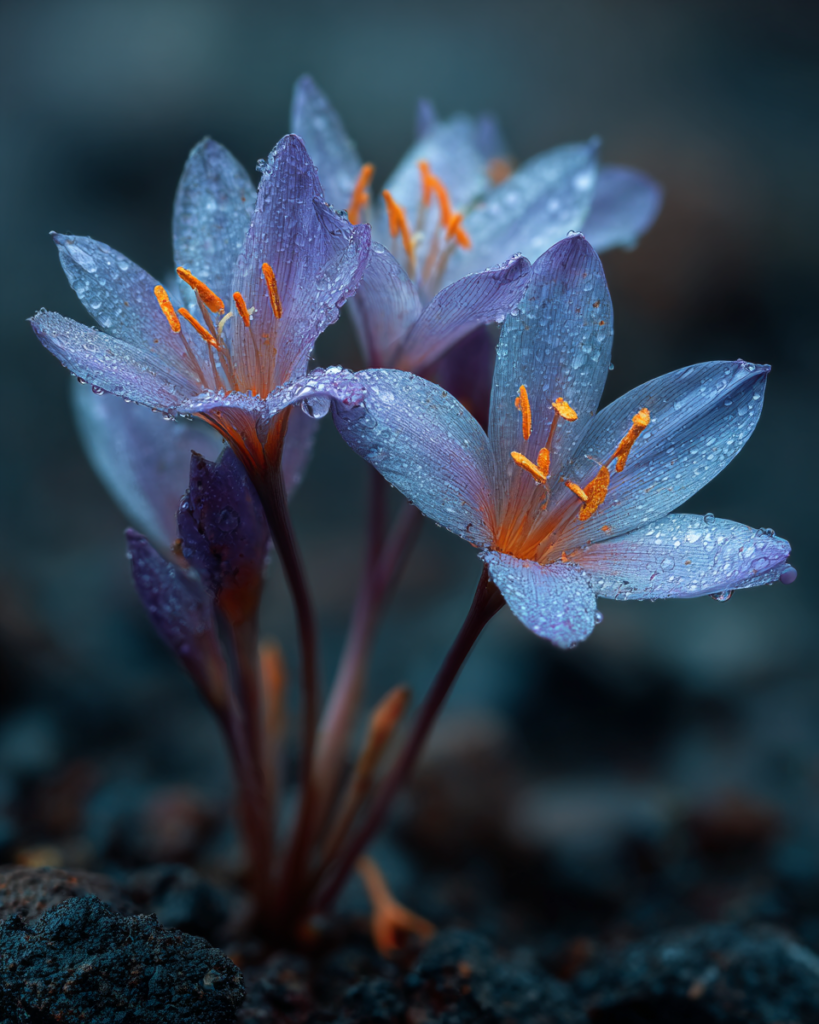
Colchicum autumnale (Autumn Crocus)
The autumn crocus rises from bare ground in September and October, leafless and pale lilac, like something that has come up from below. It contains colchicine, toxic enough to cause multi-organ failure, and it has been used to treat gout in medicine for centuries.
A flower that arrives without leaves has nothing to hide behind and does not try.
FULL POST: Autumn Crocus: The Flower That Rises From Bare Ground
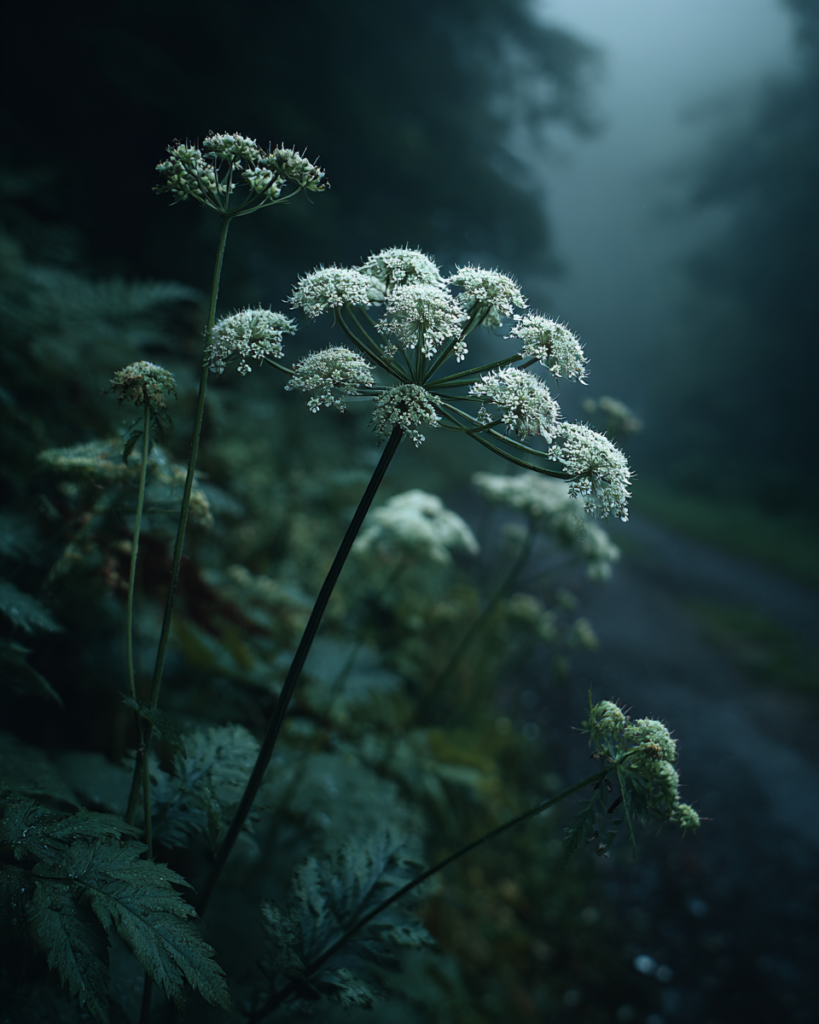
Conium maculatum (Hemlock)
This is the plant that killed Socrates.
The philosopher was executed by forced ingestion of hemlock in 399 BCE, and the accounts of his death describe a progressive paralysis that rises from the feet upward while the mind stays clear.
Hemlock looks, in early growth, like wild parsley. That resemblance has shaped history.
FULL POST COMING SOON
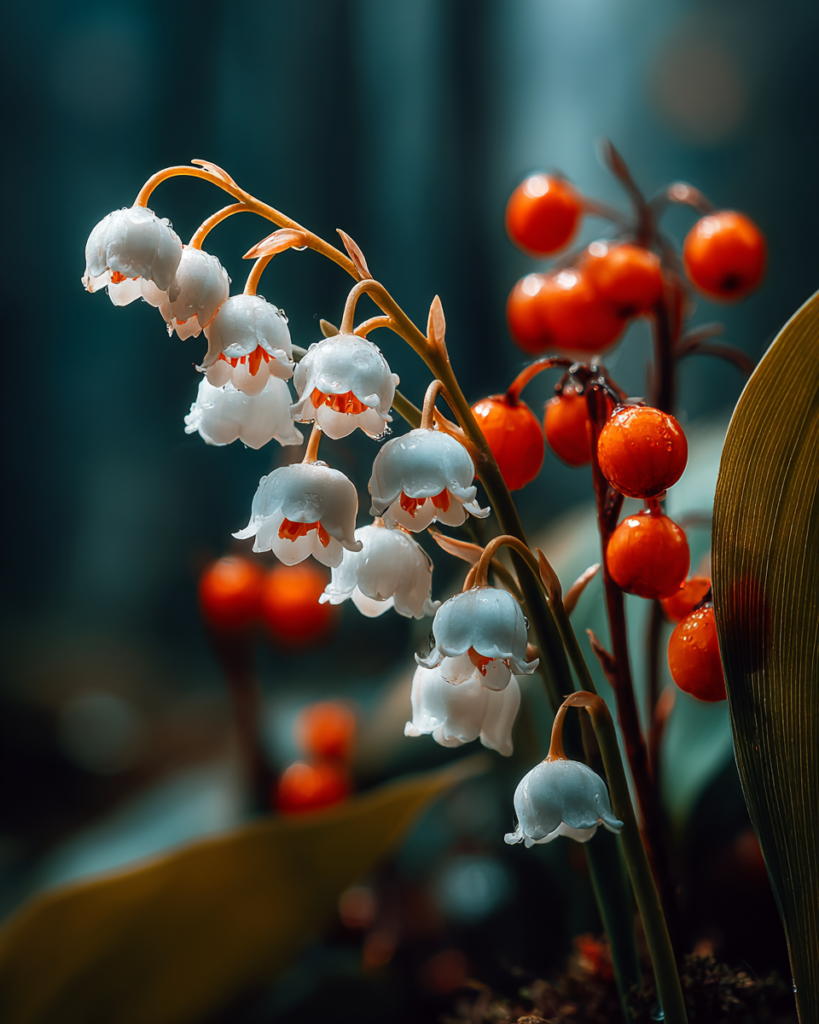
Convallaria majalis (Lily of the Valley)
Associated with weddings, innocence, and the soft end of spring, lily of the valley is not a plant most people think of as dangerous.
It contains over thirty cardiac glycosides. All parts are toxic, including the water in a vase of cut flowers.
The contrast between its appearance and its chemistry is the poison garden in miniature.
FULL POST COMING SOON
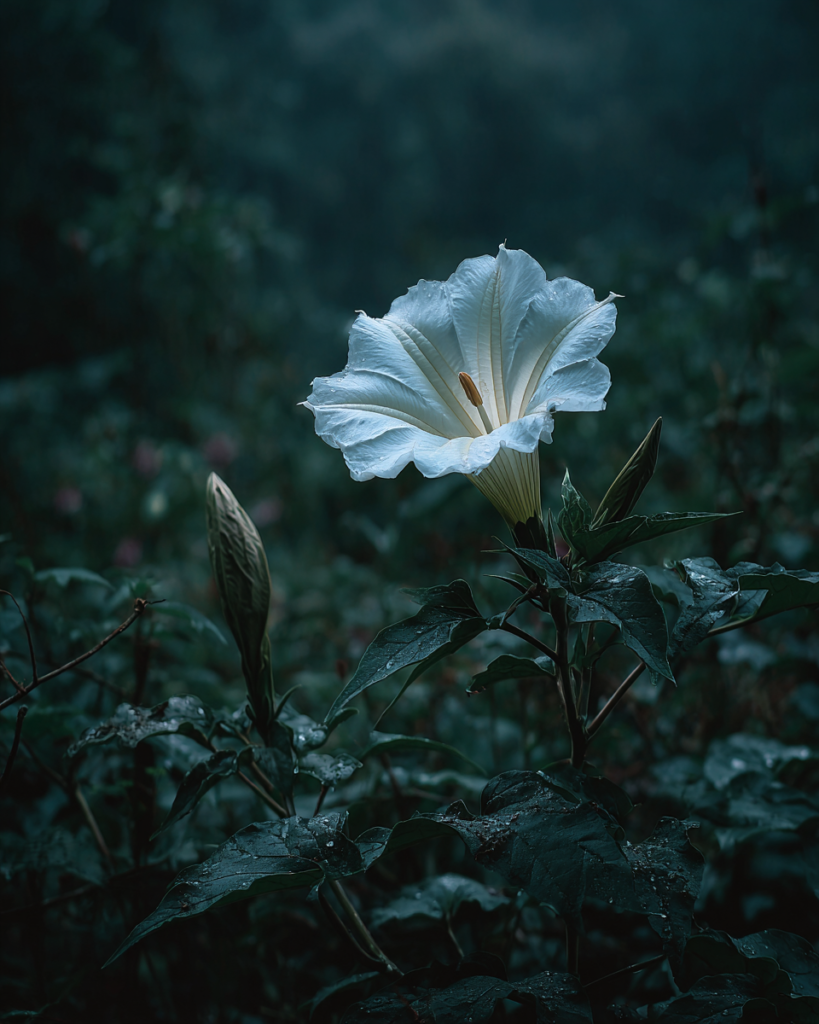
Datura stramonium (Jimsonweed / Thorn Apple)
Large white trumpet flowers, spiny seed pods, and a margin between a hallucinogenic dose and a lethal one that is dangerously narrow.
Datura has been used in shamanic and ritual contexts across multiple continents for centuries and has been responsible for deaths in equal measure. It does not offer a safe encounter.
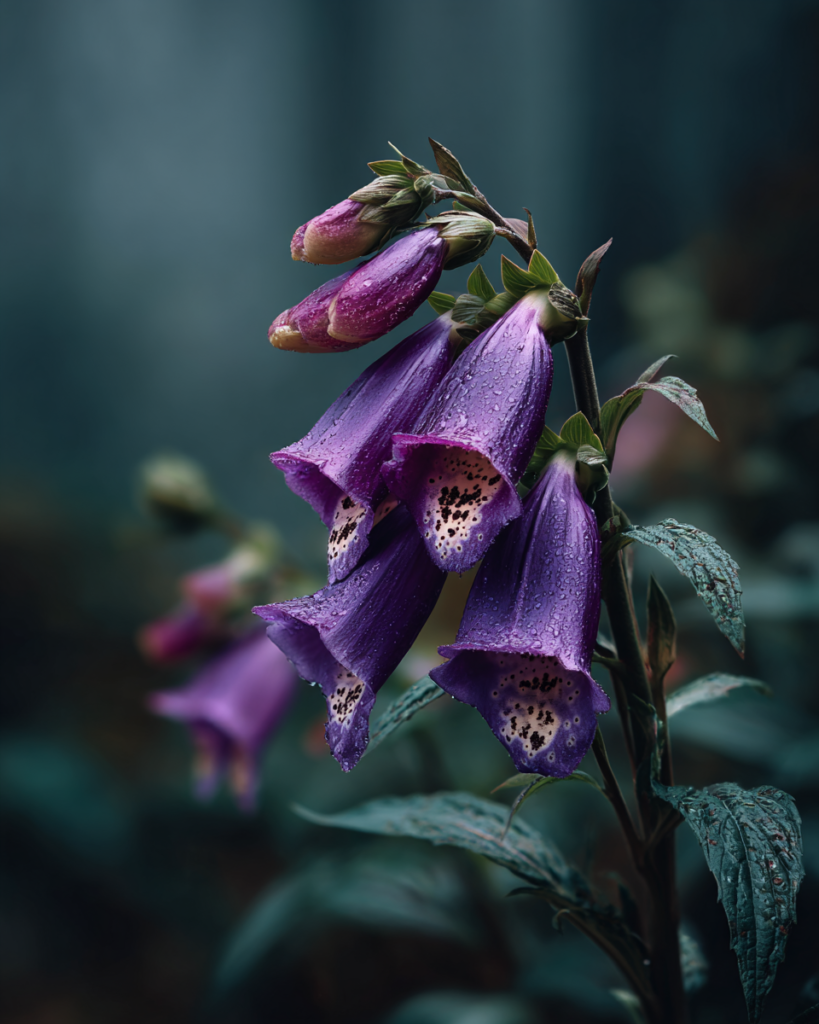
Digitalis purpurea (Foxglove)
Tall, elegant, and covered in tubular flowers in purple, pink, and white, foxglove is one of the most recognizable plants in the poison garden.
It is also the source of digitalis, the compound that both kills and heals the heart depending entirely on the dose. The foxglove is the poison garden paradox made visible.
FULL POST: Foxglove: The Poison Garden Plant That Heals and Kills the Heart
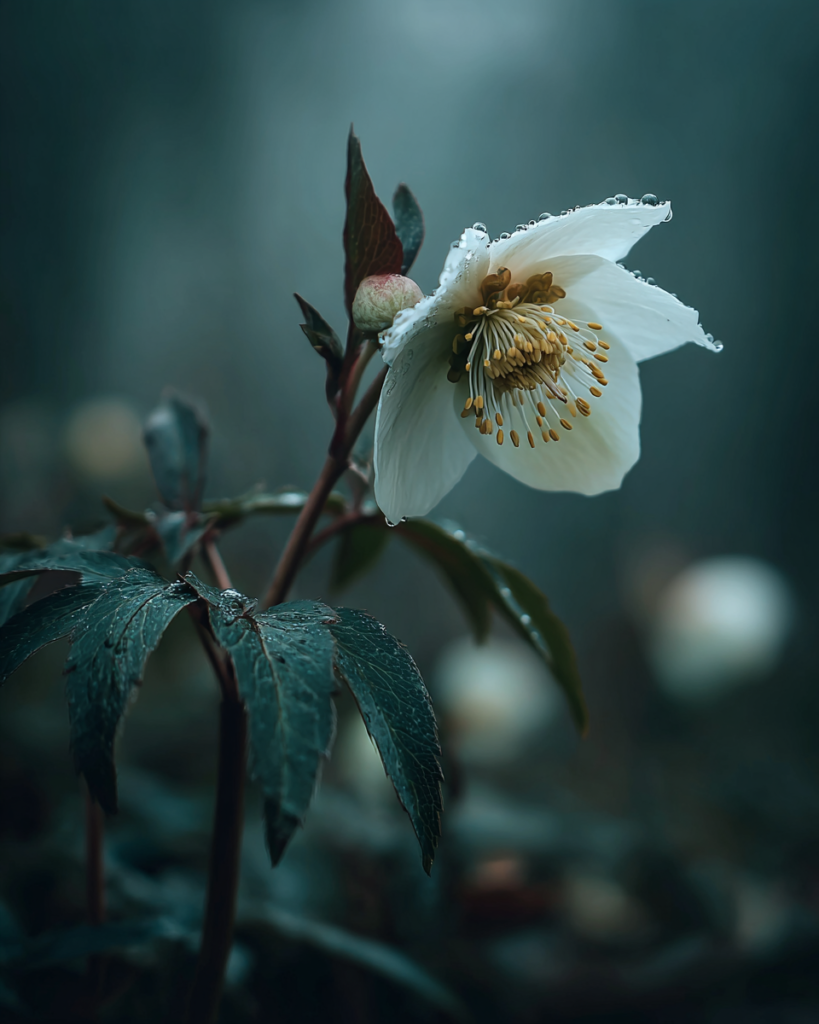
Helleborus niger (Christmas Rose)
The hellebore blooms in the depths of winter, pushing through snow and frost when nothing else is willing.
It has associations with dark magic and with quiet resilience in equal measure, used historically to treat madness and to ward off evil spirits in the same breath.
The poison is real. So is the beauty.
FULL POST: Christmas Rose: The Winter Flower With a Poisonous Past
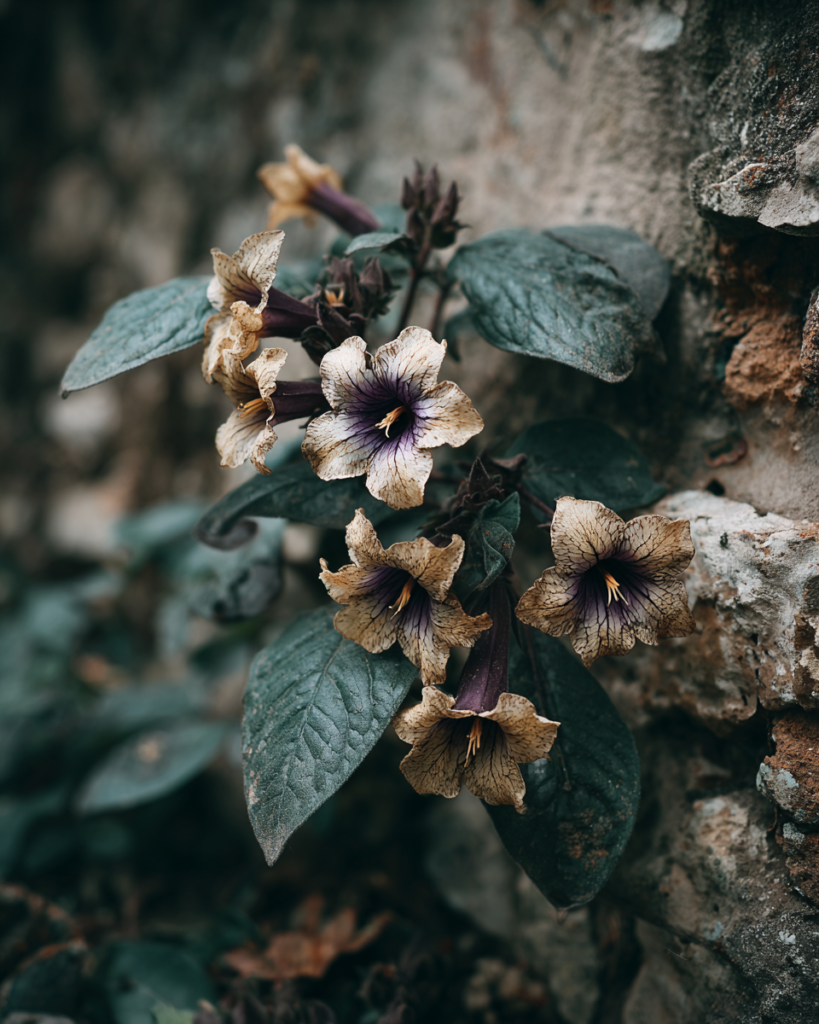
Hyoscyamus niger (Henbane)
Henbane grows near ruins and abandoned buildings as though it prefers the company of forgotten things.
Sticky-leaved, unpleasantly scented, and covered in pale flowers with dark veining, it belongs to the same nightshade family as belladonna and mandrake and carries a similarly dark history of witchcraft, early surgery, and accidental poisoning.
FULL POST COMING SOON
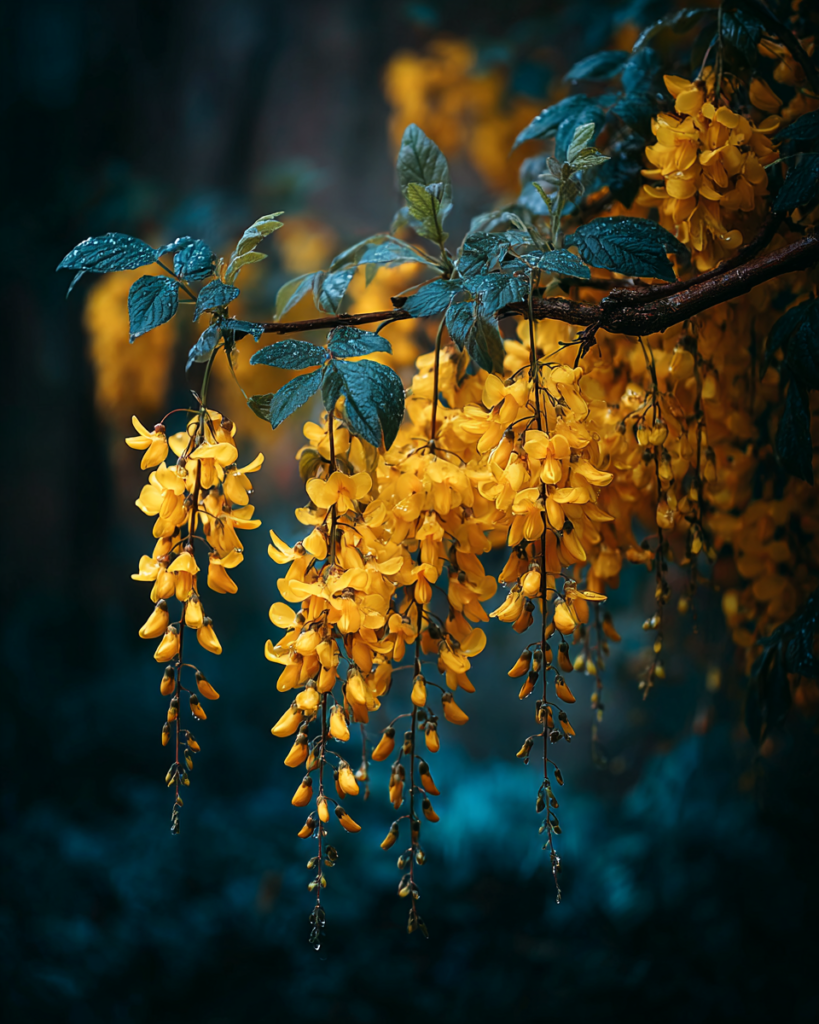
Laburnum anagyroides (Laburnum)
Cascades of yellow flowers in late spring, seed pods that resemble sweet peas, and enough cytisine in every part of the plant to cause convulsions and respiratory failure.
Laburnum is a common ornamental tree in British and European gardens. It represents the proximity of beauty and danger in the most ordinary domestic setting imaginable.
FULL POST COMING SOON
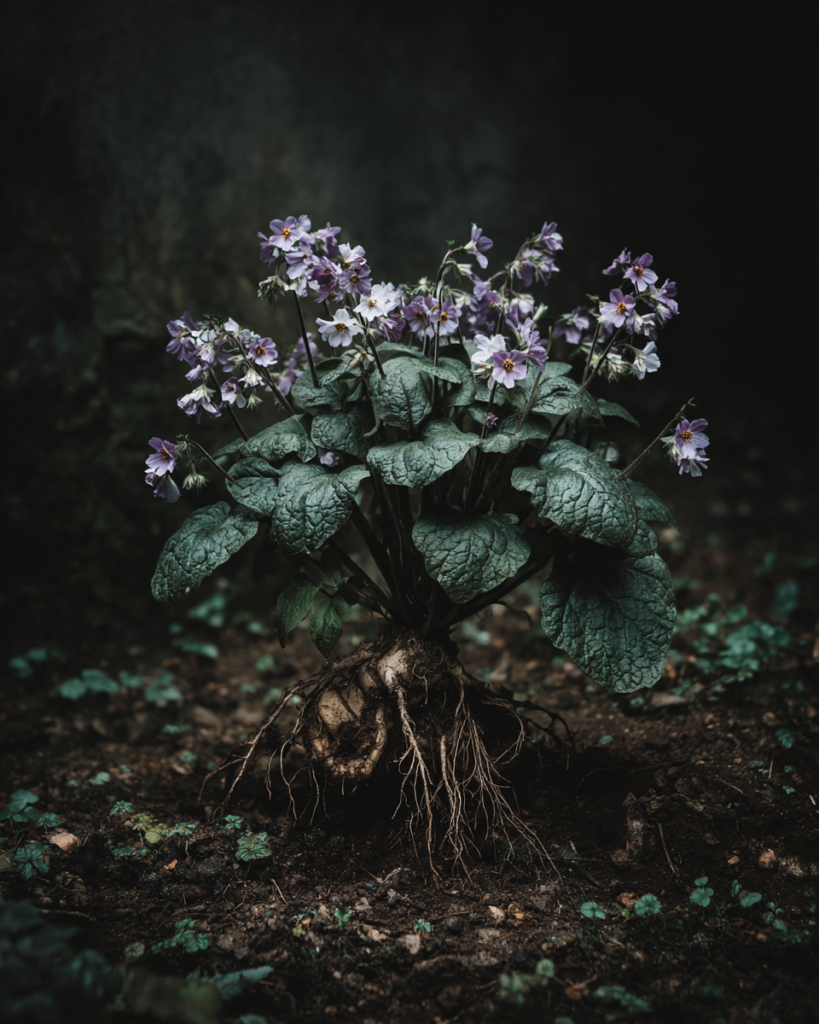
Mandragora officinarum (Mandrake)
Few plants carry as much mythological weight. The root takes a vaguely human form, which drove centuries of folklore insisting it screamed when pulled from the earth.
Medieval herbalists harvested it using a dog on a string to avoid hearing it. Mandrake was used as an anaesthetic in ancient surgery, as an ingredient in witches’ flying ointment, and as an aphrodisiac in Renaissance herbalism.
FULL POST COMING SOON
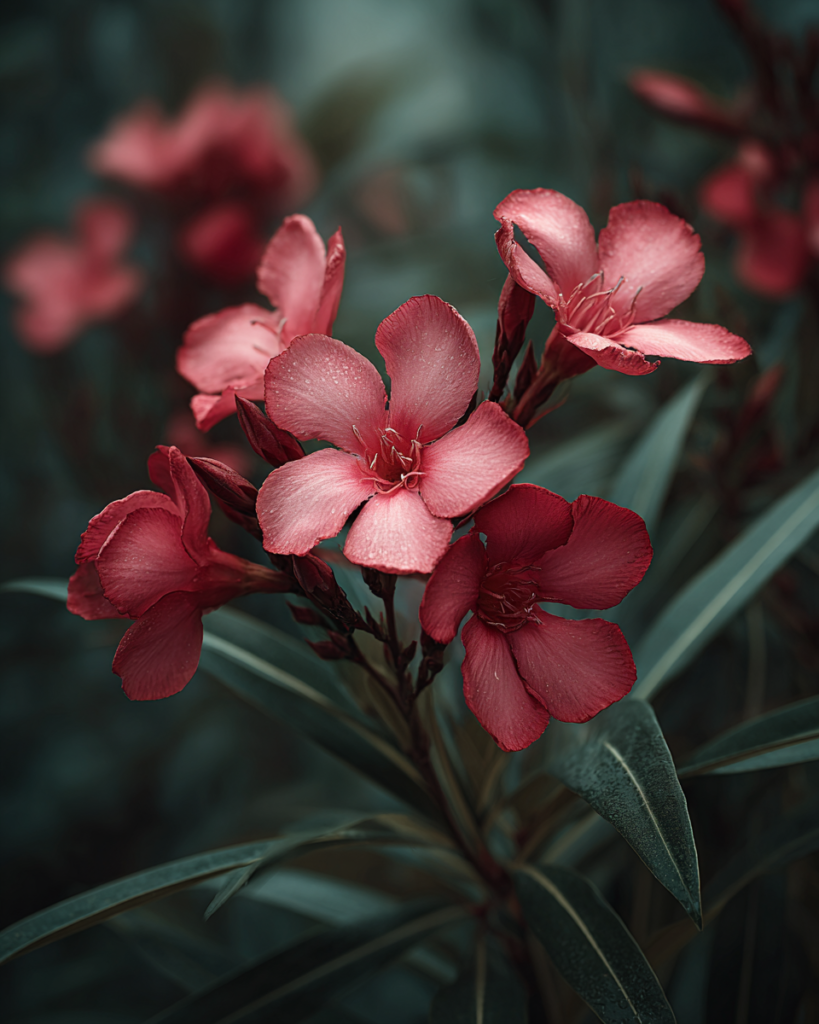
Nerium oleander (Oleander)
Oleander has been grown ornamentally since ancient Roman times, lining roads and filling walled gardens across the Mediterranean for thousands of years.
Every part of the plant is poisonous. The toxicity survives drying. Smoke from burning oleander is dangerous to inhale. It is one of the most beautiful and one of the most casually deadly plants in cultivation.
FULL POST COMING SOON
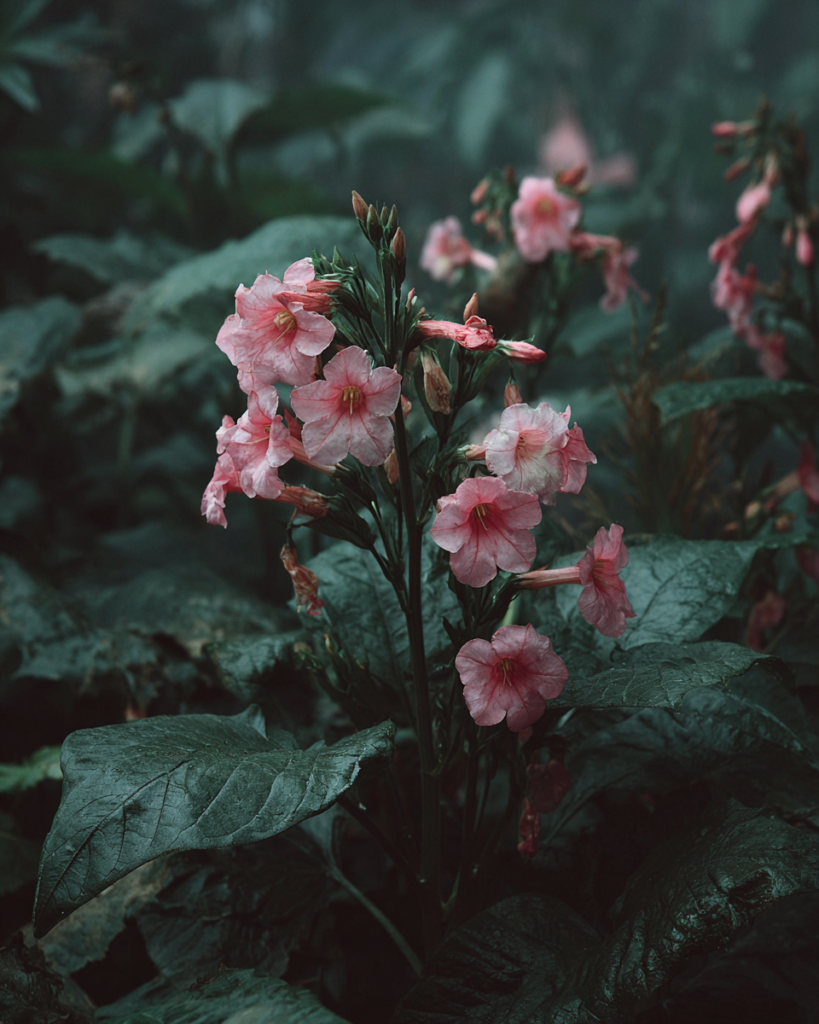
Nicotiana tabacum (Tobacco)
Tobacco surprises people in poison garden collections because its danger has been so normalized by culture and commerce that it no longer reads as danger at all.
Pure nicotine is one of the fastest-acting plant-derived poisons known. The tobacco plant, in the right frame, is exactly what the poison garden exists to provide: a familiar thing made strange again.
FULL POST COMING SOON
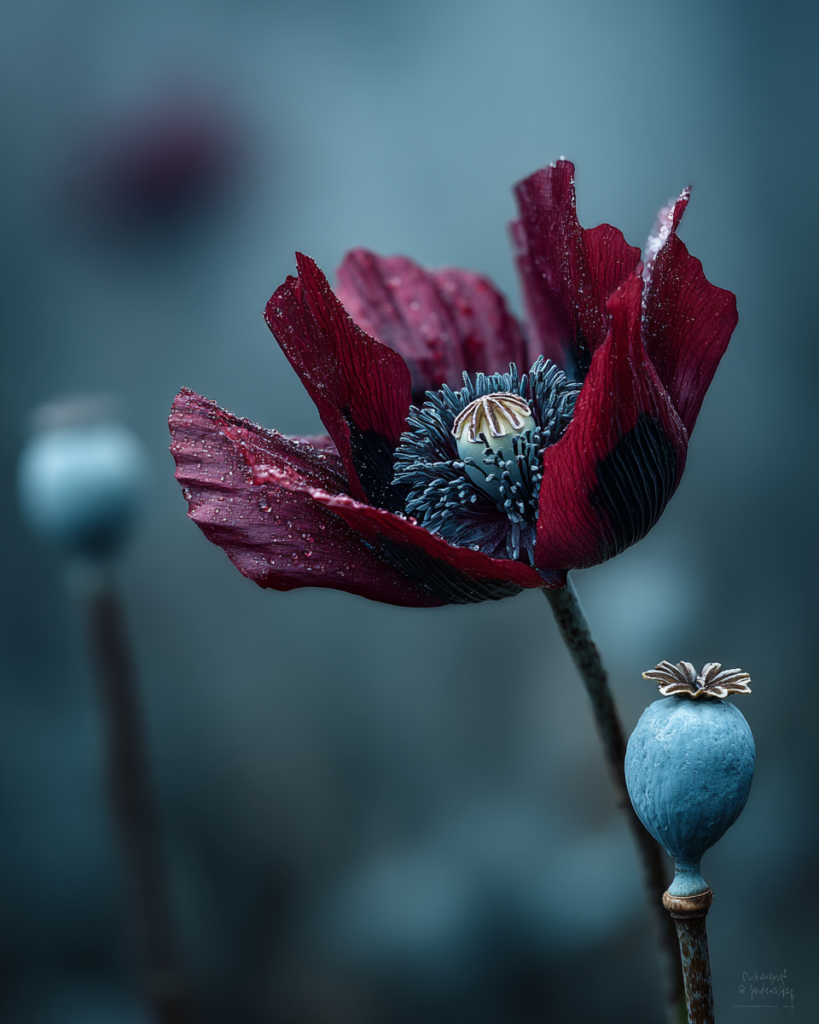
Papaver somniferum (Opium Poppy)
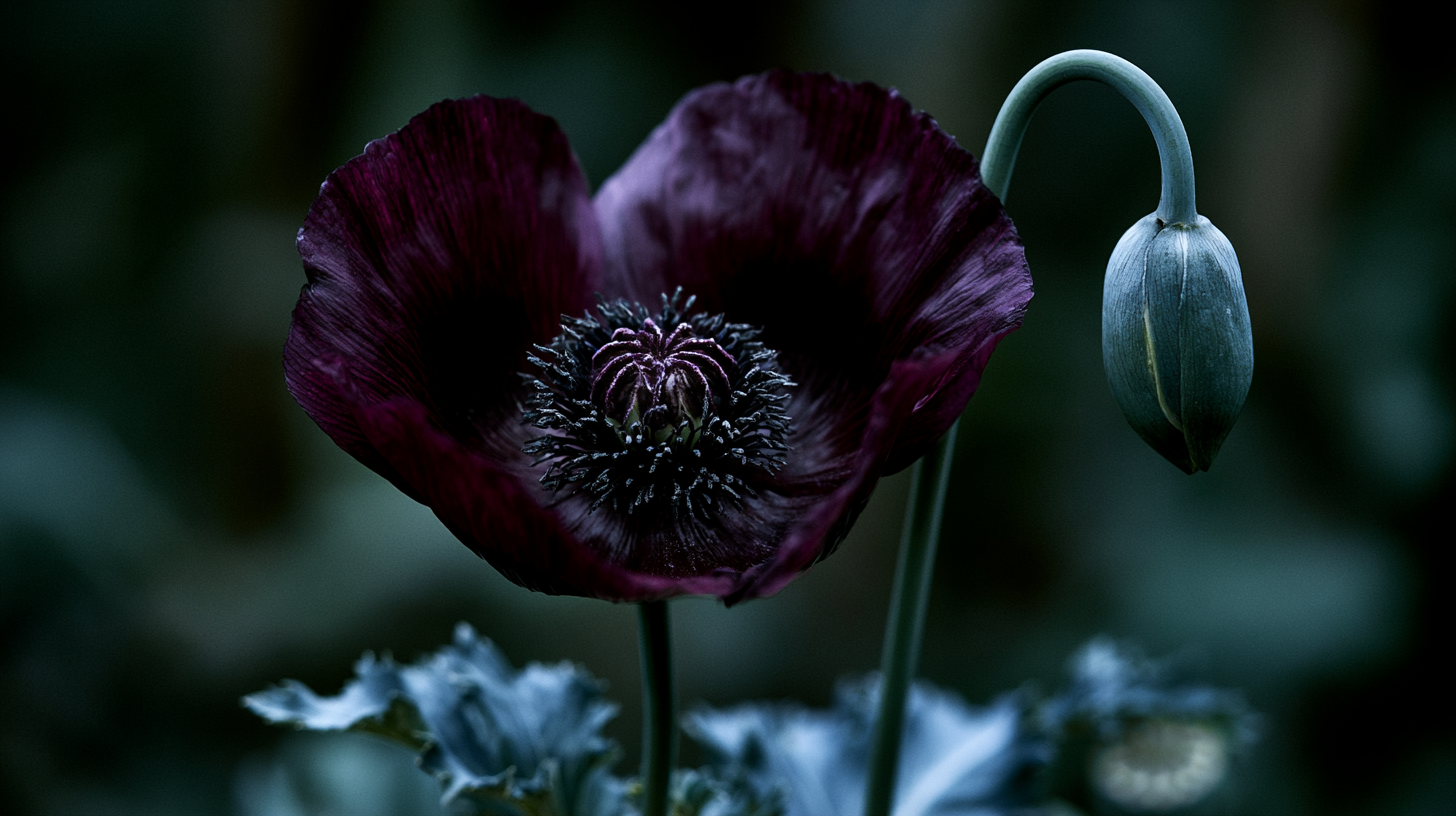
Large ruffled flowers, architectural seed pods, and a three-thousand-year relationship with humanity that spans medicine, religion, trade routes, addiction, and war.
The opium poppy is one of the most historically significant plants on earth, and one of the most beautiful. The two things are not unrelated.
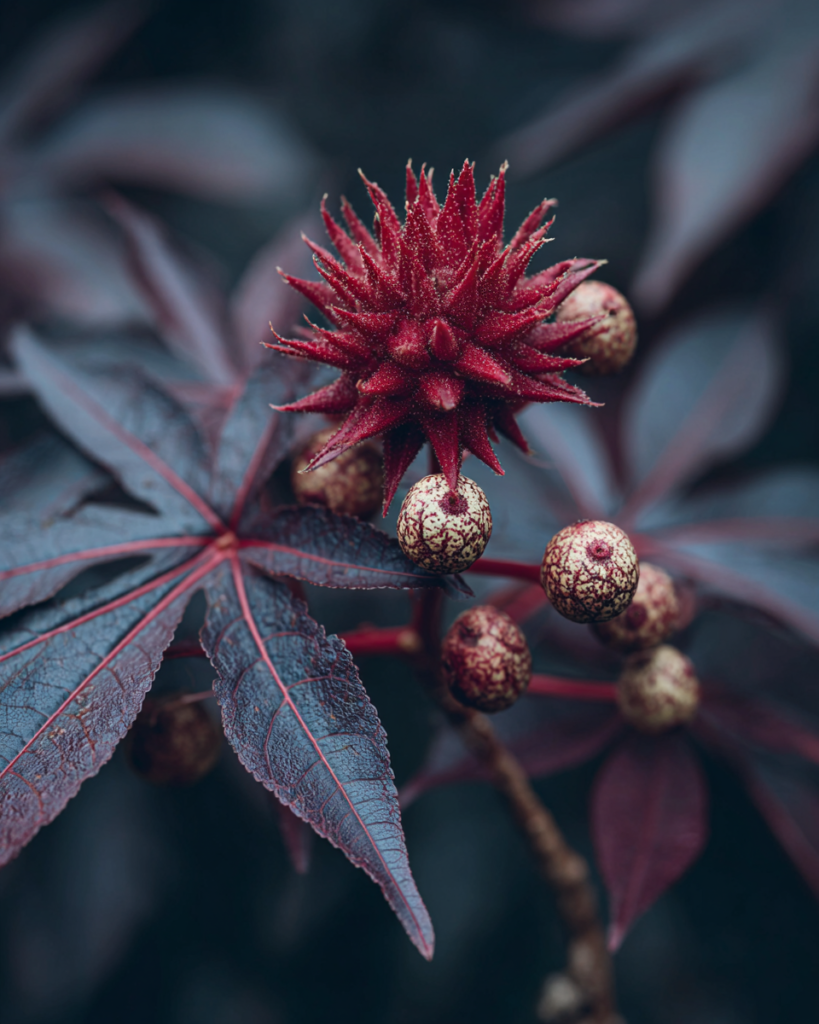
Ricinus communis (Castor Bean)
The castor bean plant produces ricin, one of the most potent naturally occurring toxins known, with no antidote.
The plant itself is strikingly beautiful, with large star-shaped leaves in deep red or green. The same seeds, processed at high heat in a method that destroys the ricin, produce castor oil: a harmless commercial product used in cosmetics the world over.
FULL POST: Castor Bean: The Most Poisonous Plant in the World
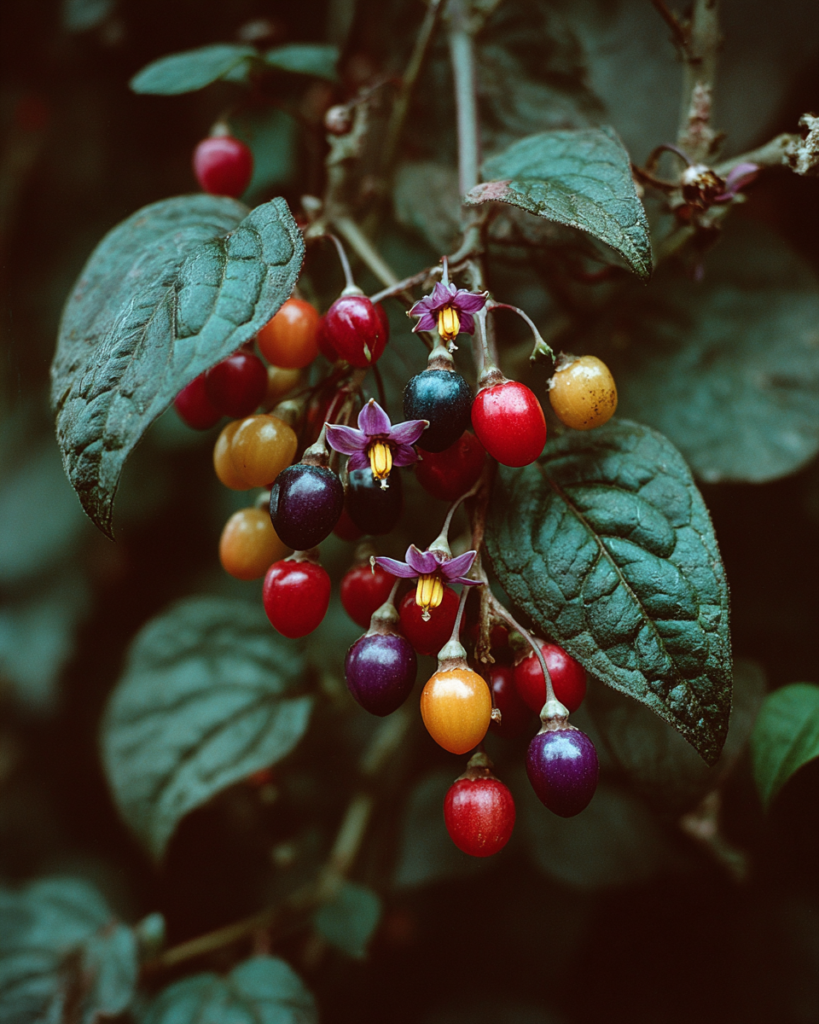
Solanum dulcamara (Bittersweet Nightshade)
Bittersweet nightshade grows through hedgerows and waste ground so quietly that most people walk past it without a second look.
Its berries ripen from green to yellow to bright red and have been mistaken for edible fruit more times than history has recorded. A distant relative of belladonna, it is less dramatic and, for that reason, more dangerous.
FULL POST COMING SOON
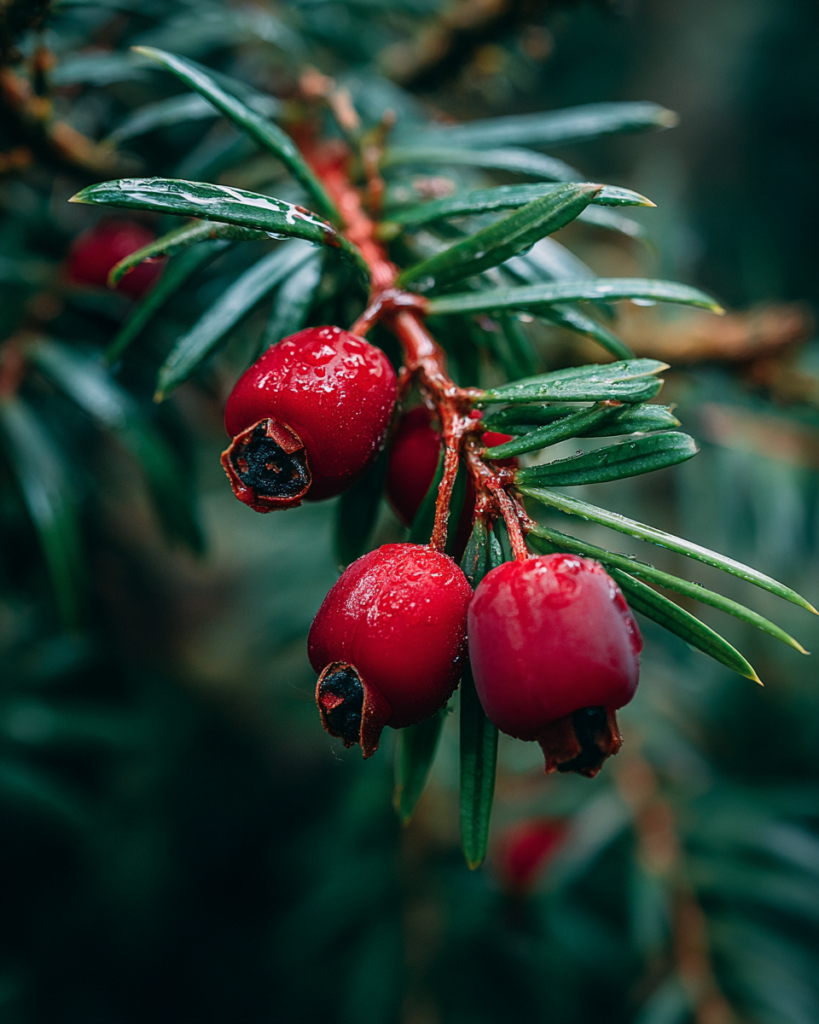
Taxus baccata (Yew)
Some yew trees in the British Isles are over two thousand years old. They have stood in churchyards long enough to become inseparable from the cultural history of death itself.
Nearly every part of the tree is poisonous. The bright red berries are not. This is nature in its most precise and deliberate irony.
FULL POST COMING SOON
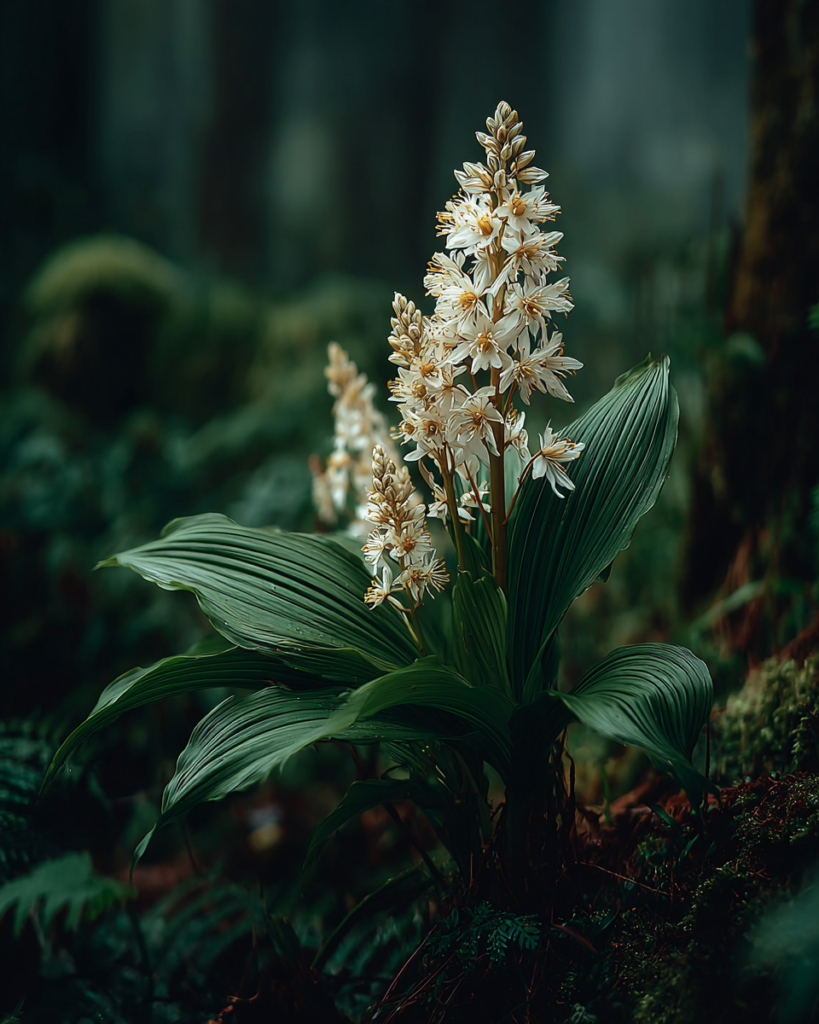
Veratrum album (White Hellebore)
White hellebore looks, in early growth, like wild garlic. This resemblance has caused foragers serious harm. The plant contains veratrine alkaloids that cause violent gastrointestinal symptoms, seizures, and cardiac failure.
It has been linked to the death of Alexander the Great, though historians continue to debate the details.
FULL POST COMING SOON