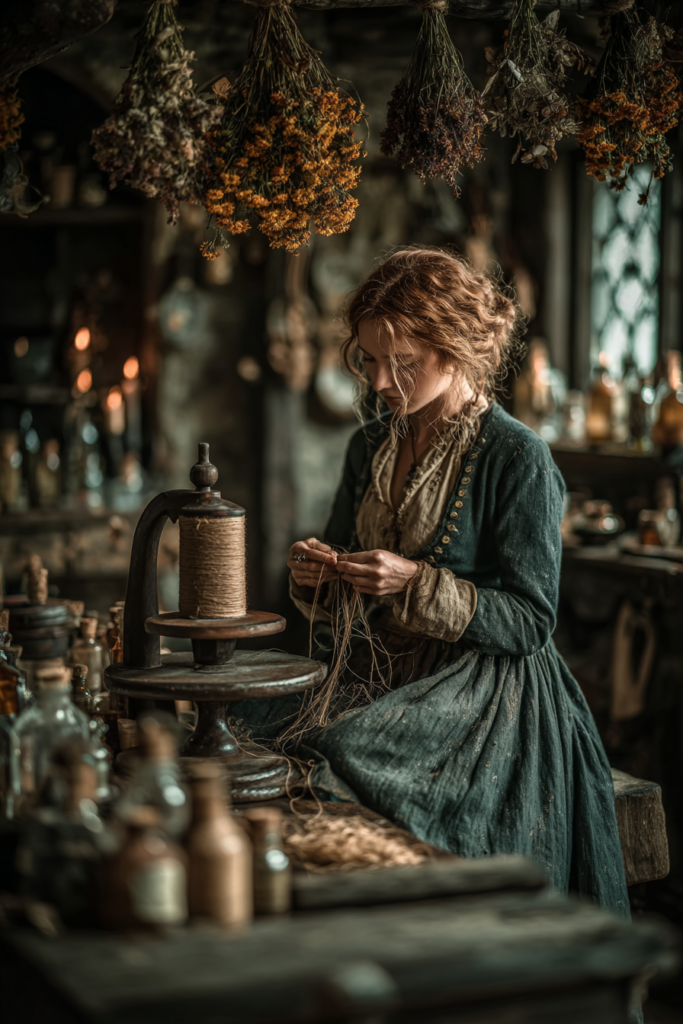
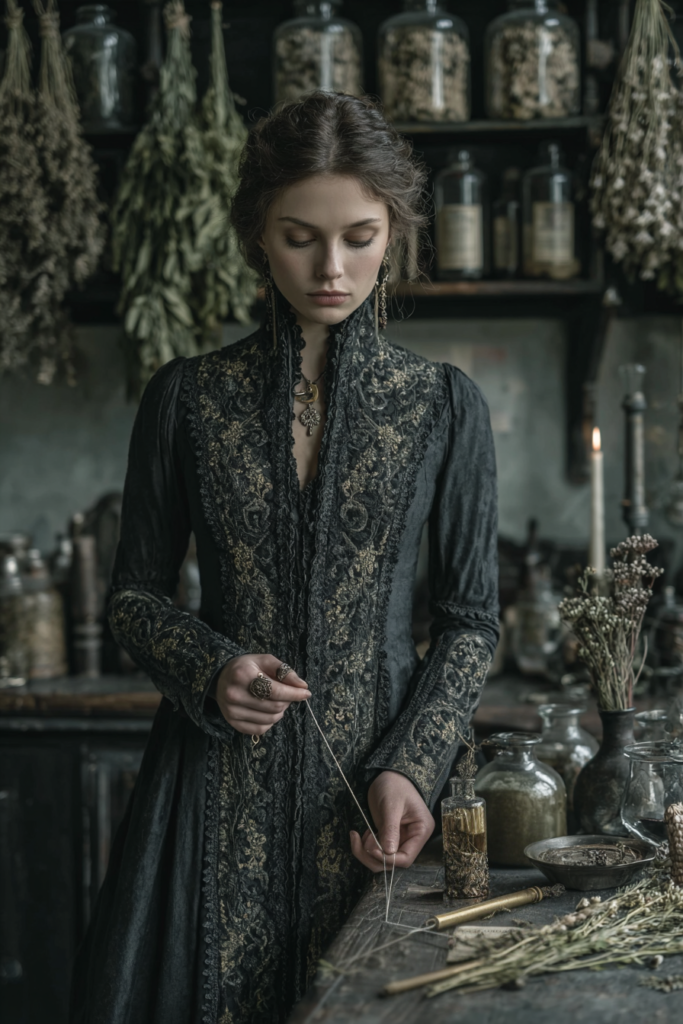
There is a figure in Greek mythology who never gets the stories written about her.
Her sisters are the ones people remember. Clotho, who spins the thread of life. Lachesis, who measures it. Together they are the ones painted on ceilings and named in poems, the ones who feel, if not exactly warm, at least comprehensible. At least like something you might approach.
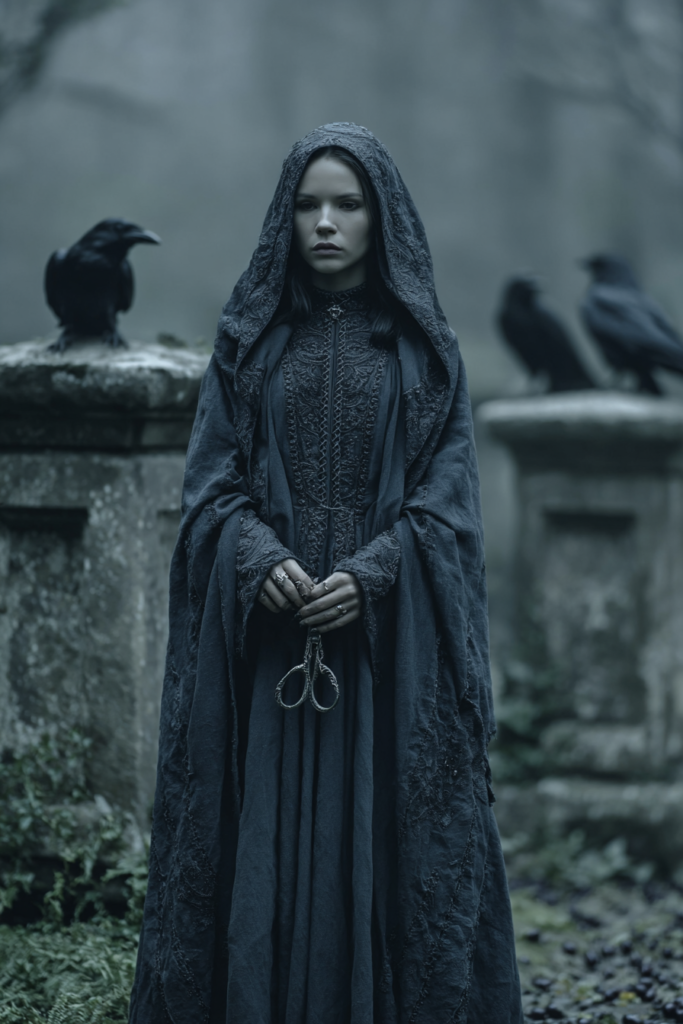
But it is the third sister, Atropos, who holds the scissors. She who cuts. She who decides when the thread ends, and for whom, and on what day.
The ancient Greeks loved a loophole. They told stories over and over about heroes who found a way through, who sang the right songs, who refused to look back. They wanted to believe that the right person, desperate enough, could bargain their way out of anything.
Atropos is the mythology’s answer to its own wishful thinking.
No god could bargain with her. No hero could charm her. No amount of beauty or power or desperation changed her answer.
Her name says it plainly: she who cannot be turned. Not redirected, not convinced to look the other way just this once. She couldn’t be turned. Not once. Not ever.
I find something more honest in her than in most of what mythology offers. The idea that some things are not problems to be solved. That the dark end of things is not a villain to be defeated but simply a fact to be understood, if you are willing to look at it long enough to really see it.
I named this place after her.
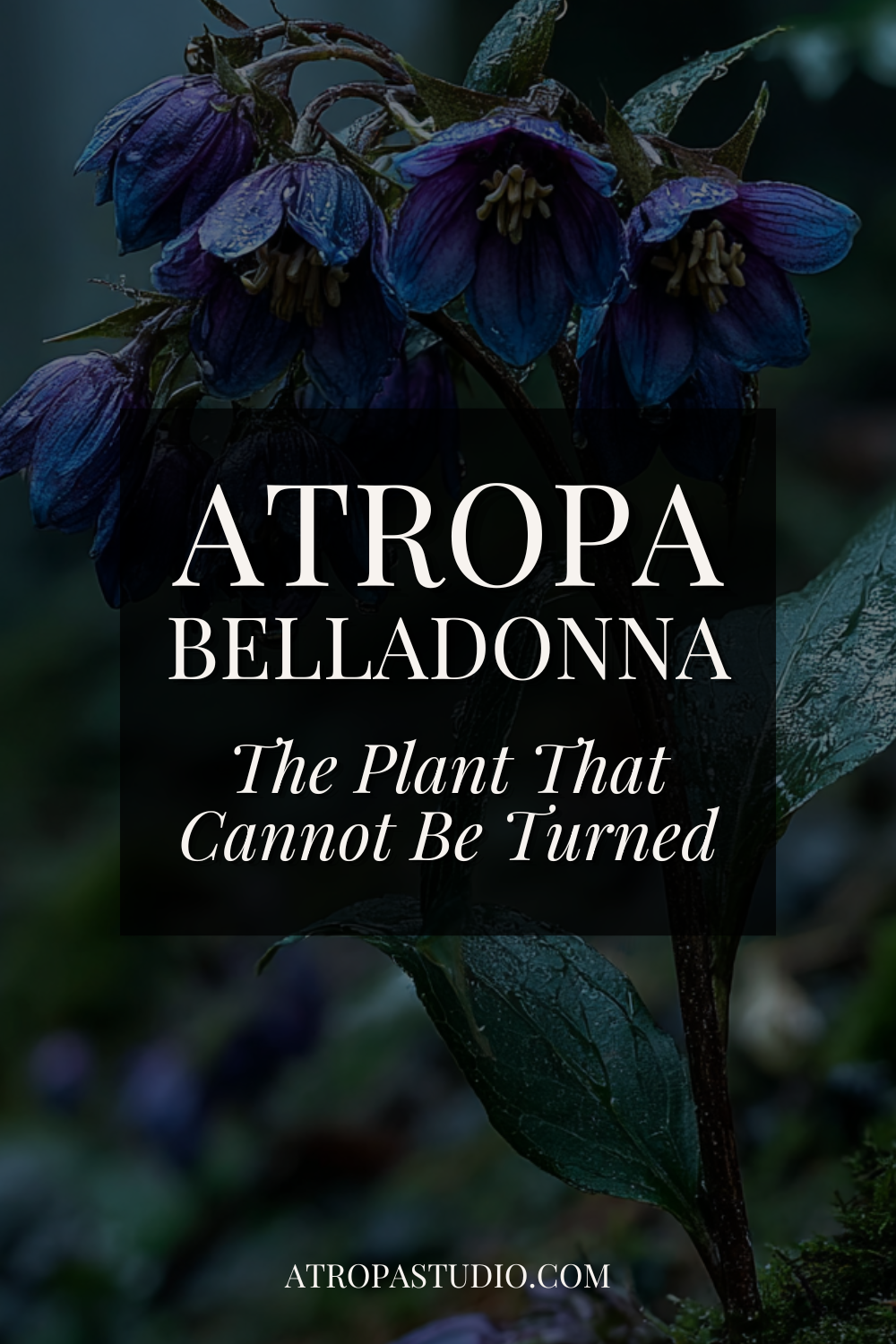
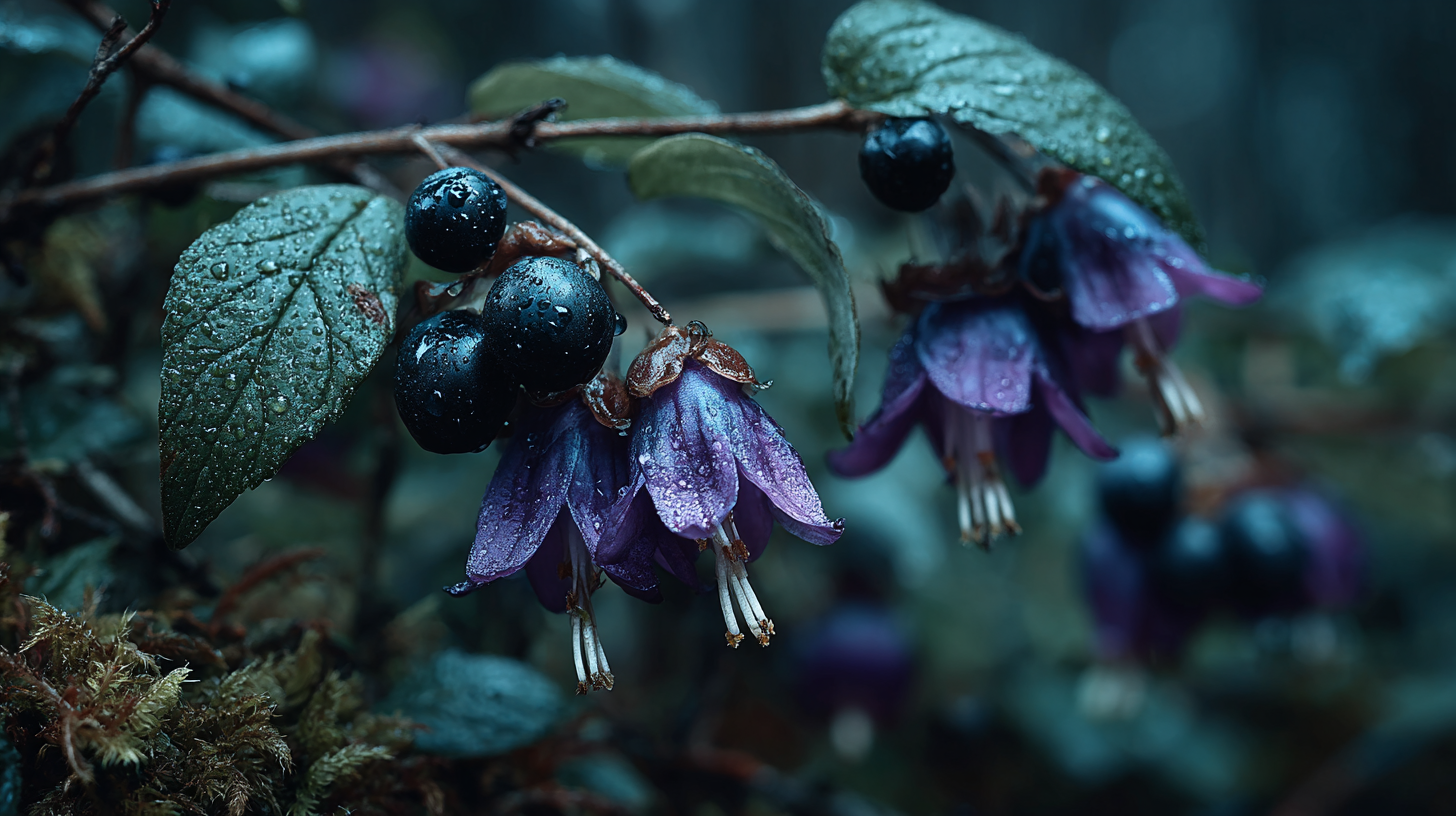
The botanists who named Atropa belladonna knew exactly what they were doing. The plant itself carries the same quiet refusal.
It grows where it wants to grow – disturbed ground, forest edges, the ruins of old things.
Its flowers hang downward, modest, unbothered. Its berries are black and glossy and will not pretend to be something safer than they are.
It has never softened itself for anyone.
Belladonna means beautiful woman. And the women who worked with this plant throughout history – the herbalists, the midwives, the apothecaries, the ones history called witches – understood something that made the men around them deeply uncomfortable.
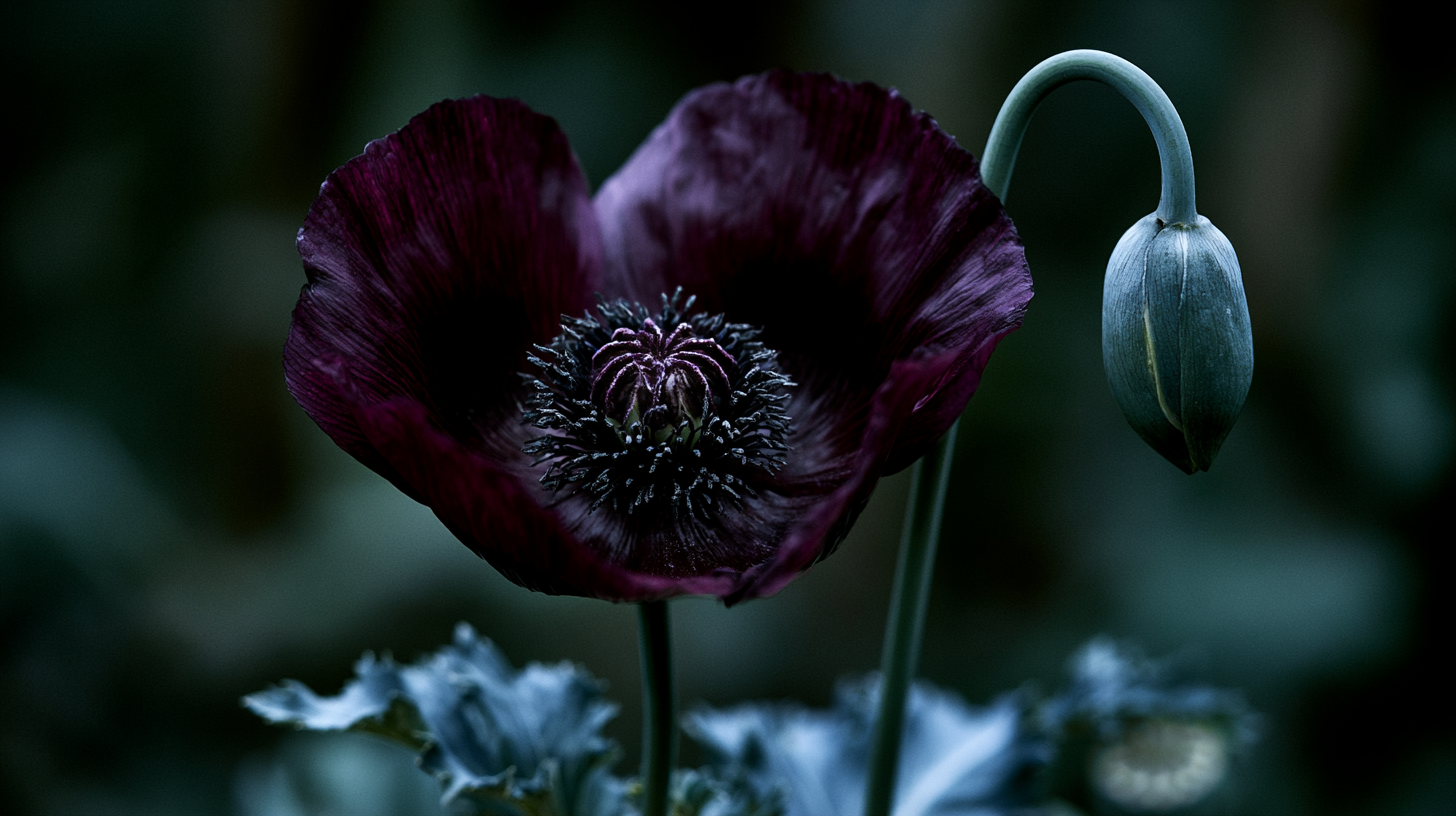
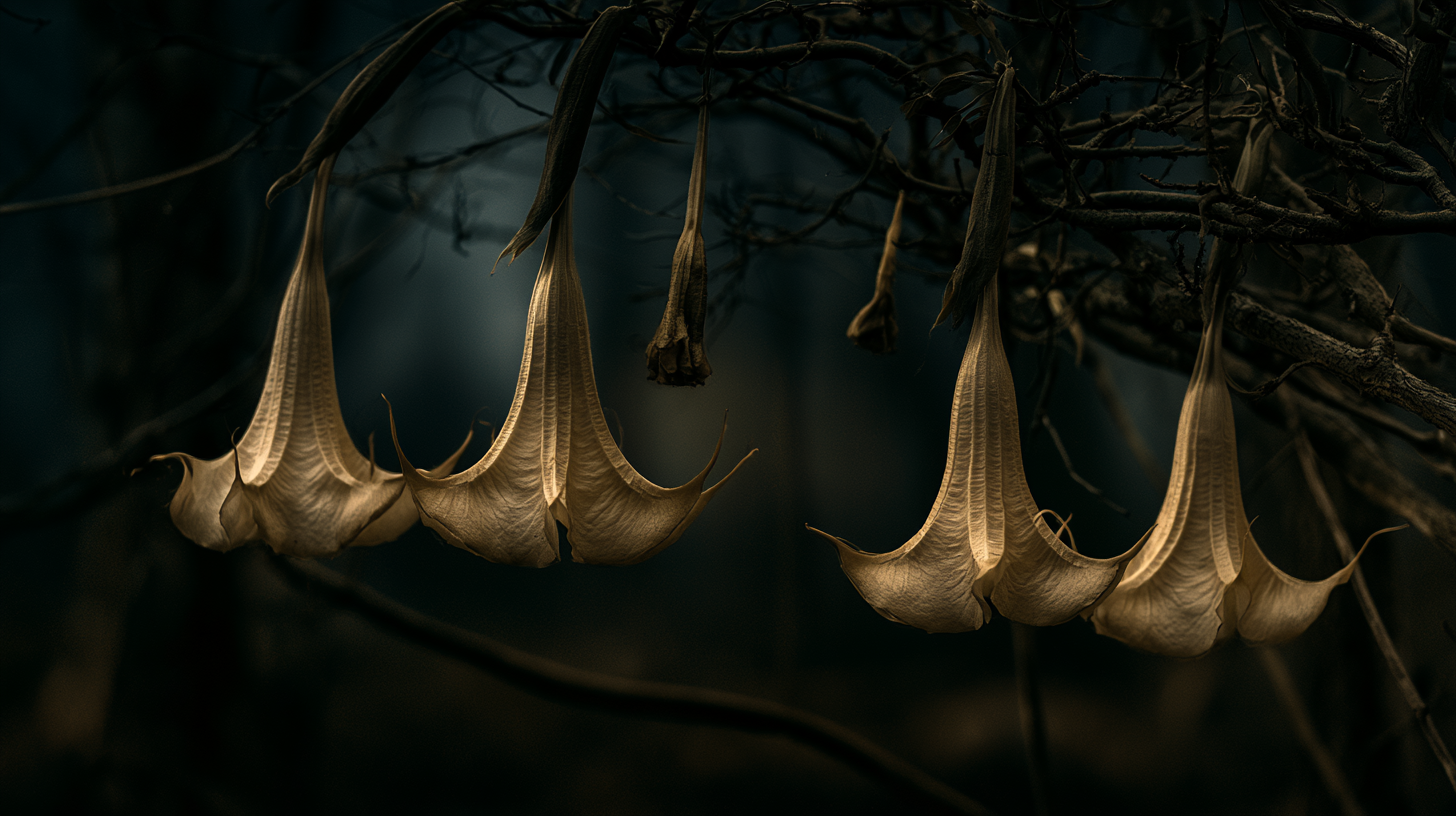
That knowledge is power. That nature is not decorative.
That a woman who understands dangerous things and is not afraid of them is a woman who cannot easily be controlled.
They documented these plants carefully. They passed the knowledge down. They were persecuted for it, and they kept going anyway.
That is the spirit this studio is named after.
Not poison. Not darkness for its own sake.
But the part of a woman that is rooted so deeply in what she knows and what she loves that she simply cannot be moved from it.
The part that keeps growing in difficult ground. The part that does not apologize for what it is.
Atropa Studio is built in that tradition – quiet, intentional, and impossible to turn.