The dark cottagecore aesthetic isn’t just a visual style – it’s rooted in the real, dangerous, extraordinary world of poisonous plants.
Here’s what’s growing in the shadow garden. Dark cottagecore isn’t about pretty farmhouses and sunlit herb bundles. It’s the other side of nature – the overgrown, the shadowed, the quietly dangerous.
And nothing embodies that more honestly than poisonous plants.
These are the botanicals that have shaped folklore, witchcraft, medicine, and mythology for centuries.
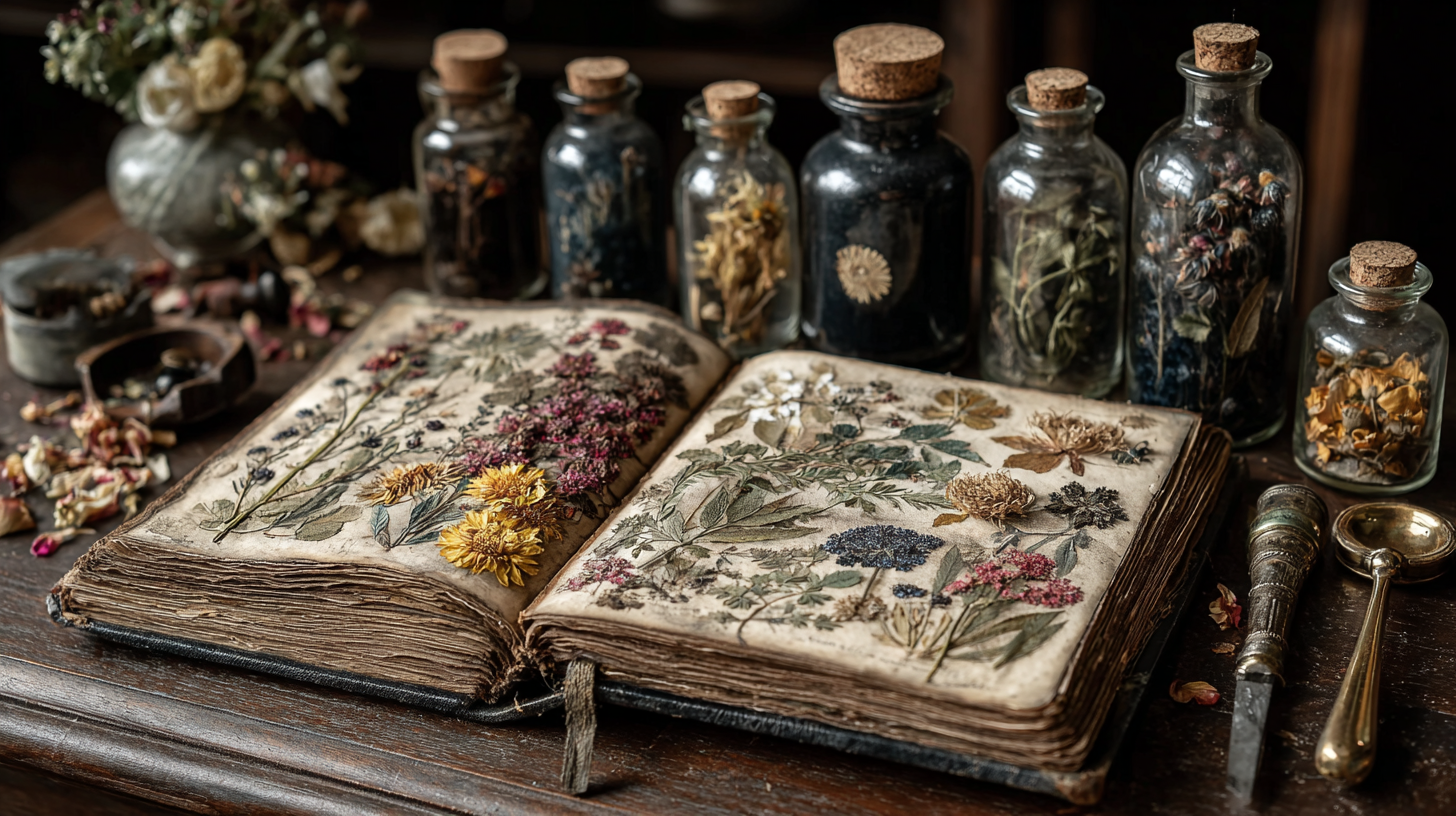
They’re beautiful, they’re deadly, and they belong exactly here – pressed into specimen prints, growing through iron garden gates, illustrated in the margins of old herbals.
Here are 10 of the most stunning toxic plants in the botanical world, and why they’re central to the dark cottagecore aesthetic.
RELATED:
The Ultimate Dark Cottagecore Colour Palette Collection
Explore a growing library of dark cottagecore colour palettes pulled from poison gardens, candlelit kitchens, foggy forests, and shadowed interiors. Hex codes, RGB values, and home decor ideas for every shade. New palettes added regularly.
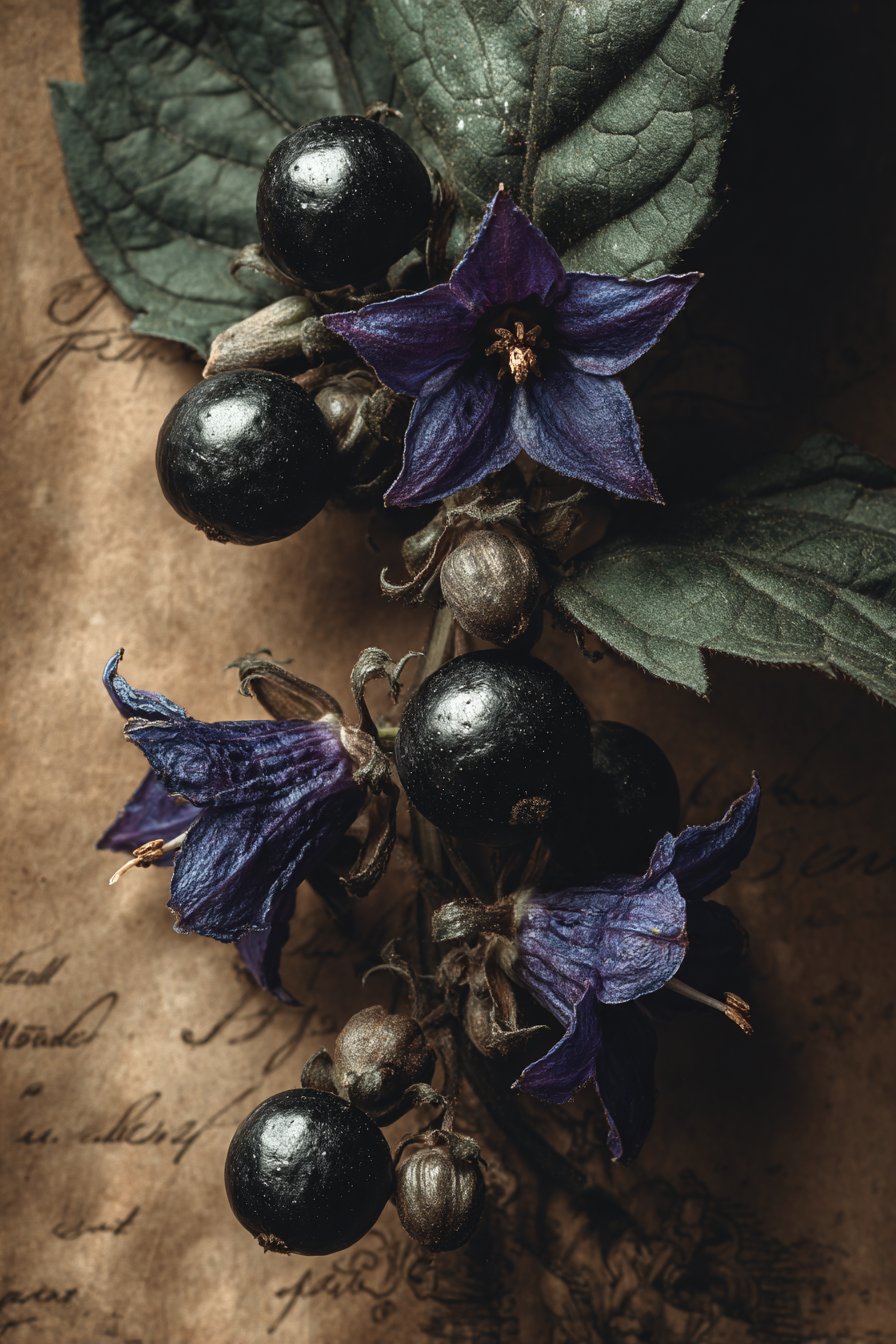
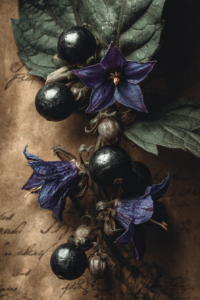
1. Belladonna (Atropa belladonna)
The plant this studio is named after. Deep purple flowers, glossy black berries, and a history spanning poison, witchcraft, and Renaissance beauty rituals – belladonna means beautiful woman, named for the practice of using diluted drops to dilate pupils.
Every part is toxic. It is the dark cottagecore plant above all others: beautiful, dangerous, and completely unapologetic about it.
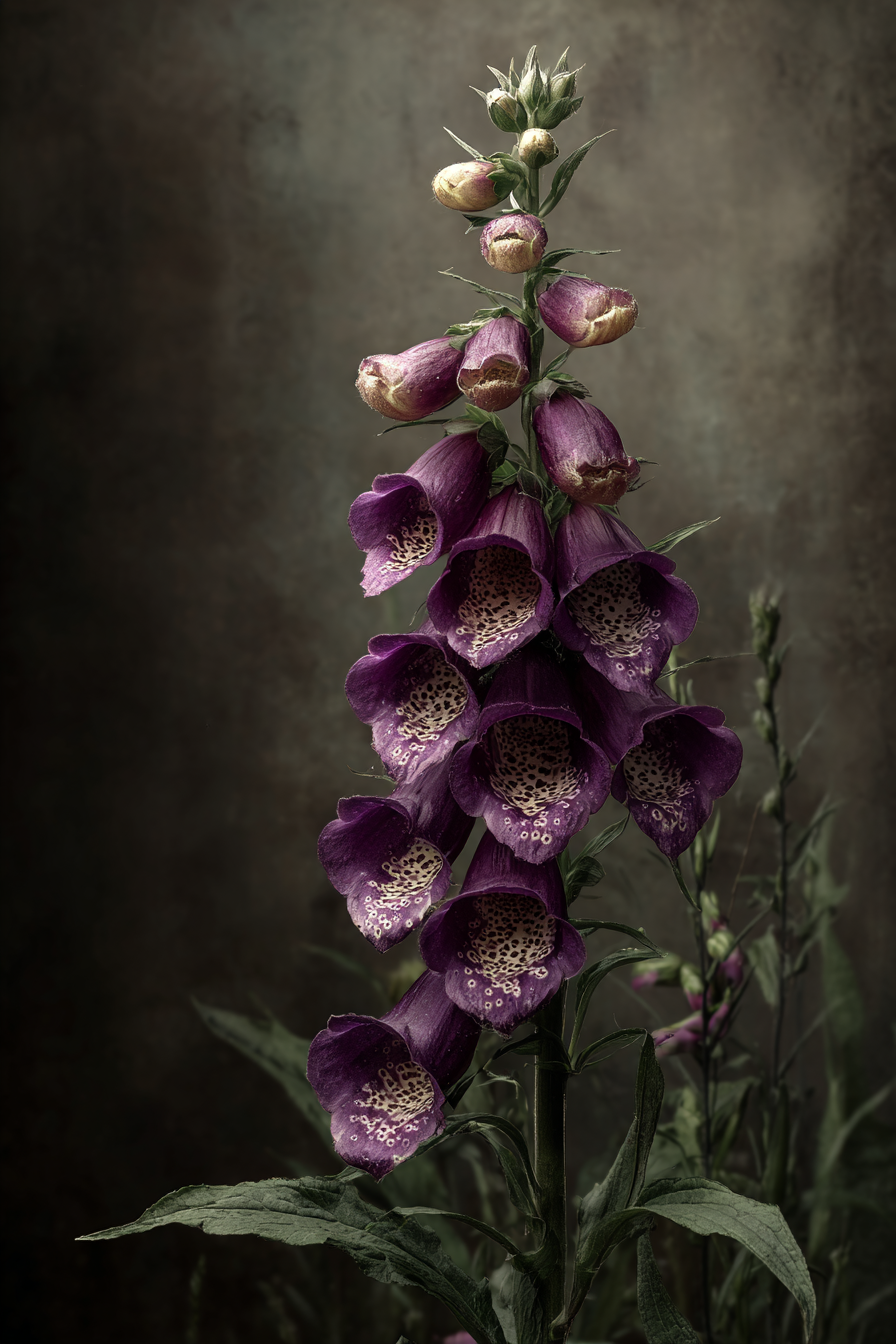
2. Foxglove (Digitalis purpurea)
Tall fairy-tale spires of spotted tubular blooms in purple, white, and pink – foxglove looks like it grew specifically for a dark cottagecore garden.
It’s also the source of digitalis, still used in heart medication today.
The line between medicine and poison has always been razor thin here, which is very much the point.
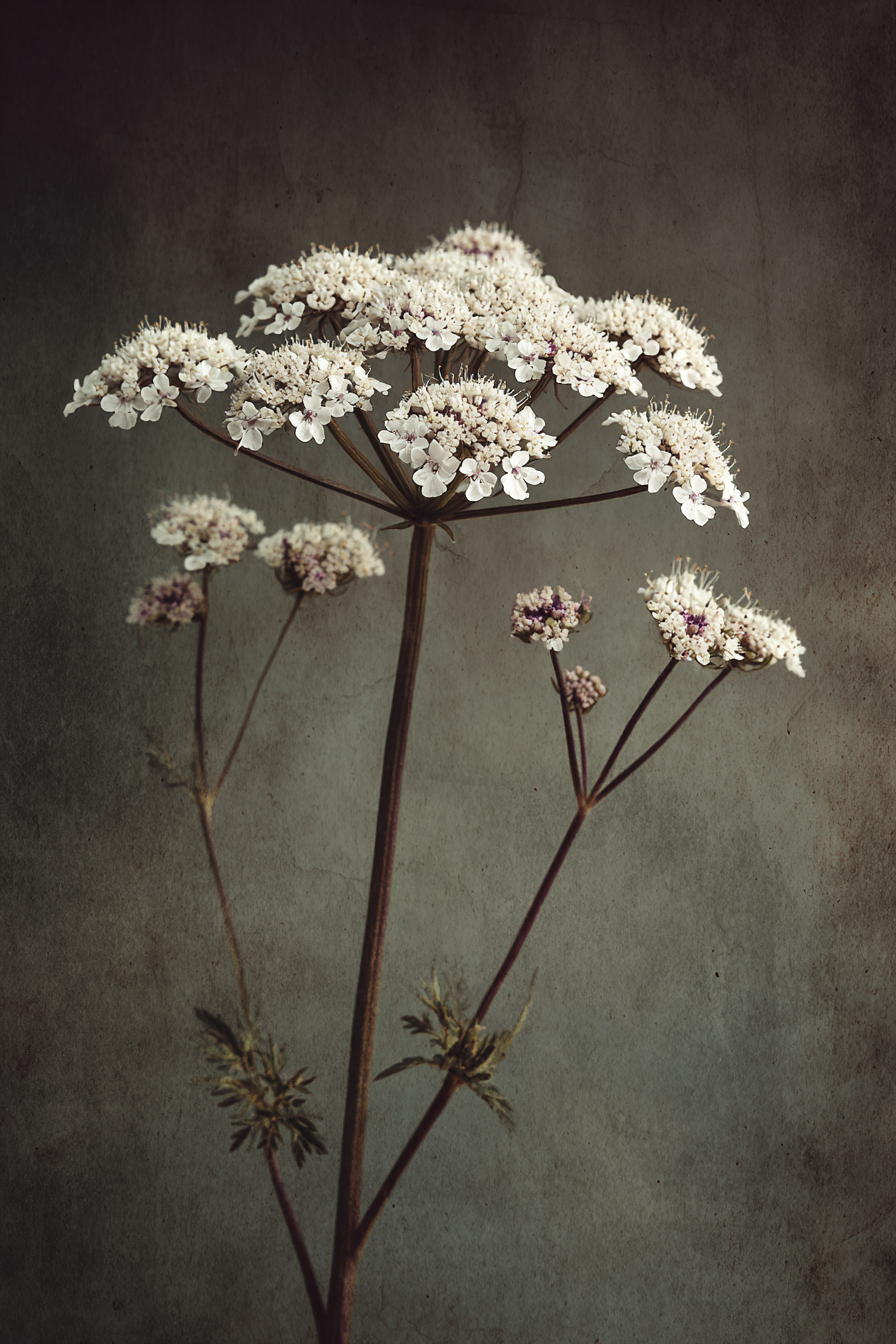
3. Hemlock (Conium maculatum)
Hemlock looks like overgrown parsley – delicate white wildflowers growing quietly along forgotten hedgerows.
Best known as the poison that killed Socrates, it embodies something essential to the dark cottagecore worldview: the most dangerous things rarely announce themselves.
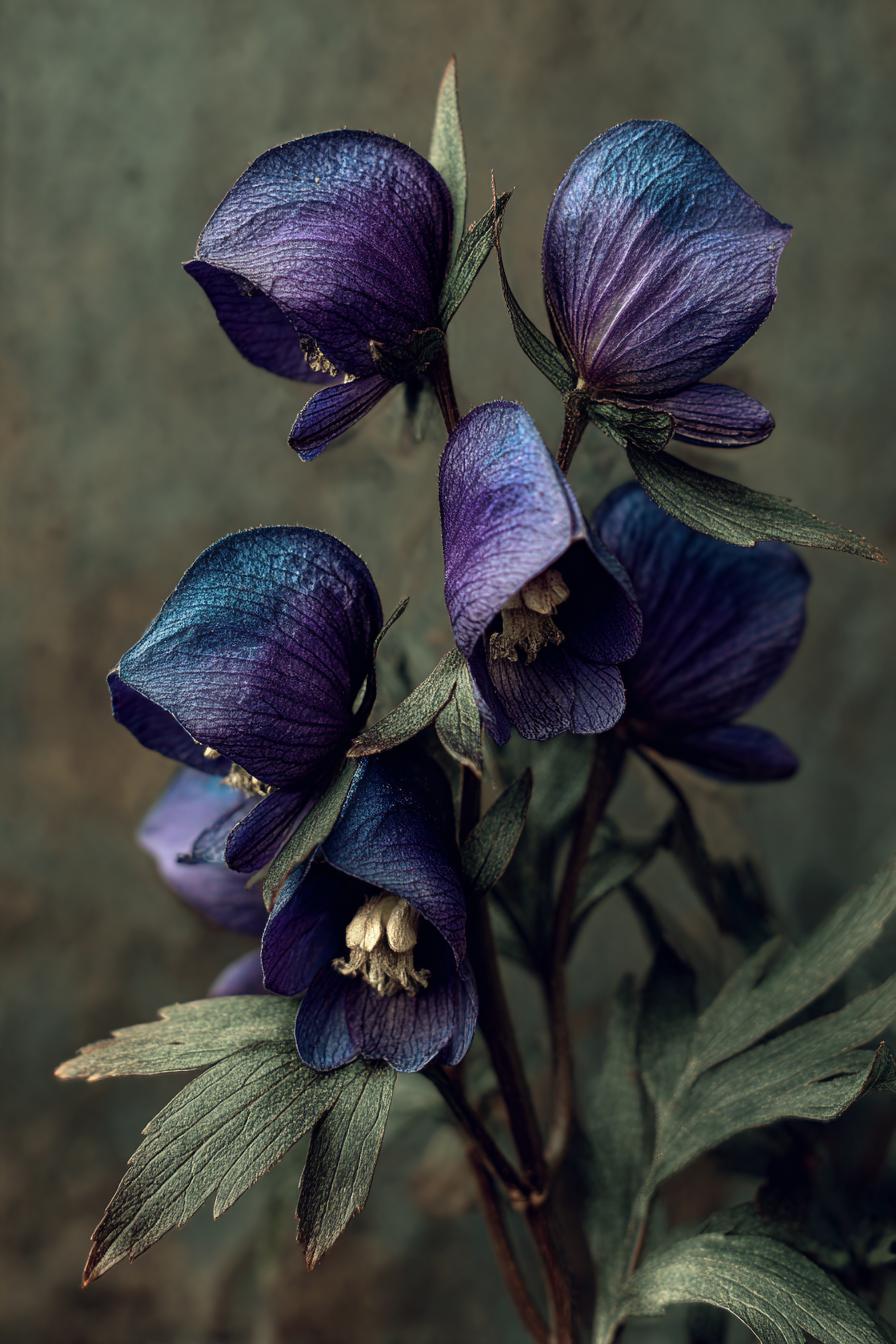
4. Wolfsbane (Aconitum napellus)
Deep violet hooded blooms straight out of a medieval painting. Wolfsbane was said to repel werewolves, used in witchcraft, feared by hunters across Europe.
The toxin is potent enough that skin contact causes numbness.
It’s folklore made botanical – exactly the kind of plant that belongs in a dark cottagecore world.
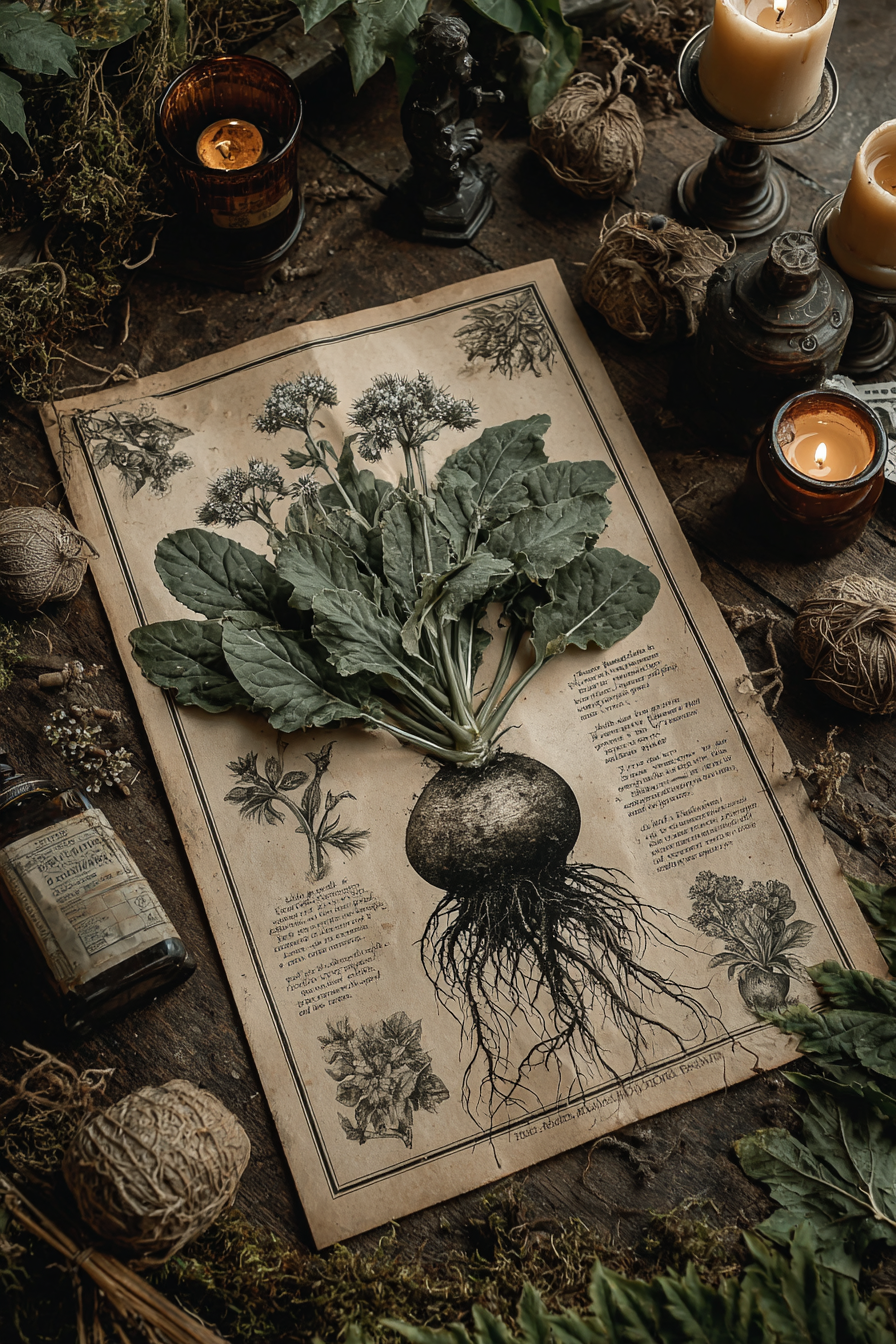
5. Mandrake (Mandragora officinarum)
Pale bell flowers above ground, a human-shaped root below. Mandrake sits at the intersection of botany, mythology, and magic – used as an anaesthetic, an aphrodisiac, and a witch’s familiar across ancient traditions.
If dark cottagecore has a spirit plant, mandrake is a strong contender.
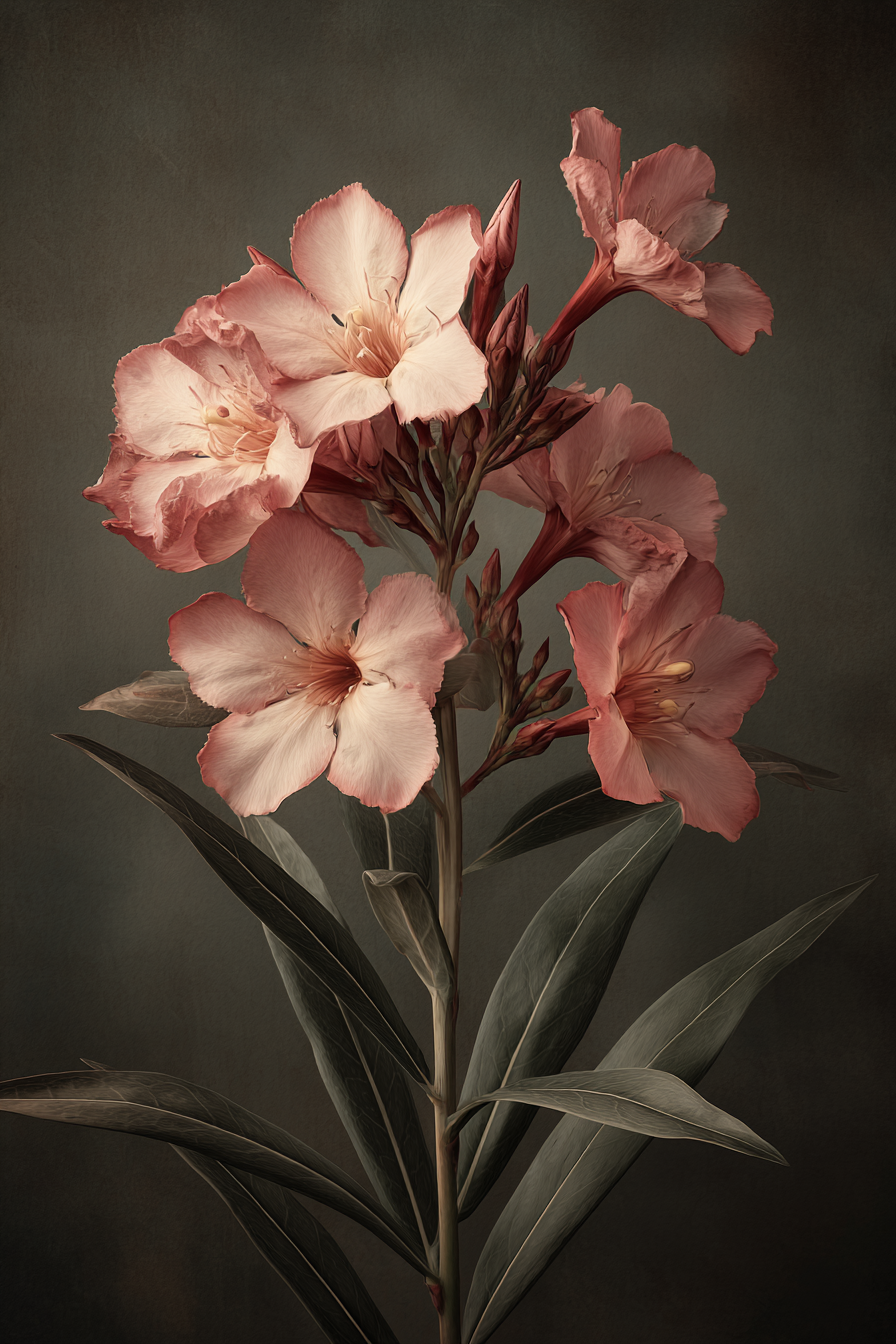
6. Oleander (Nerium oleander)
Soft pink and white clusters, lush evergreen growth, found lining roadsides and suburban gardens worldwide – and almost nobody knows how toxic it is.
Even the smoke from burning it is dangerous. Oleander is a lesson in not taking the surface of things at face value, which fits the aesthetic perfectly.
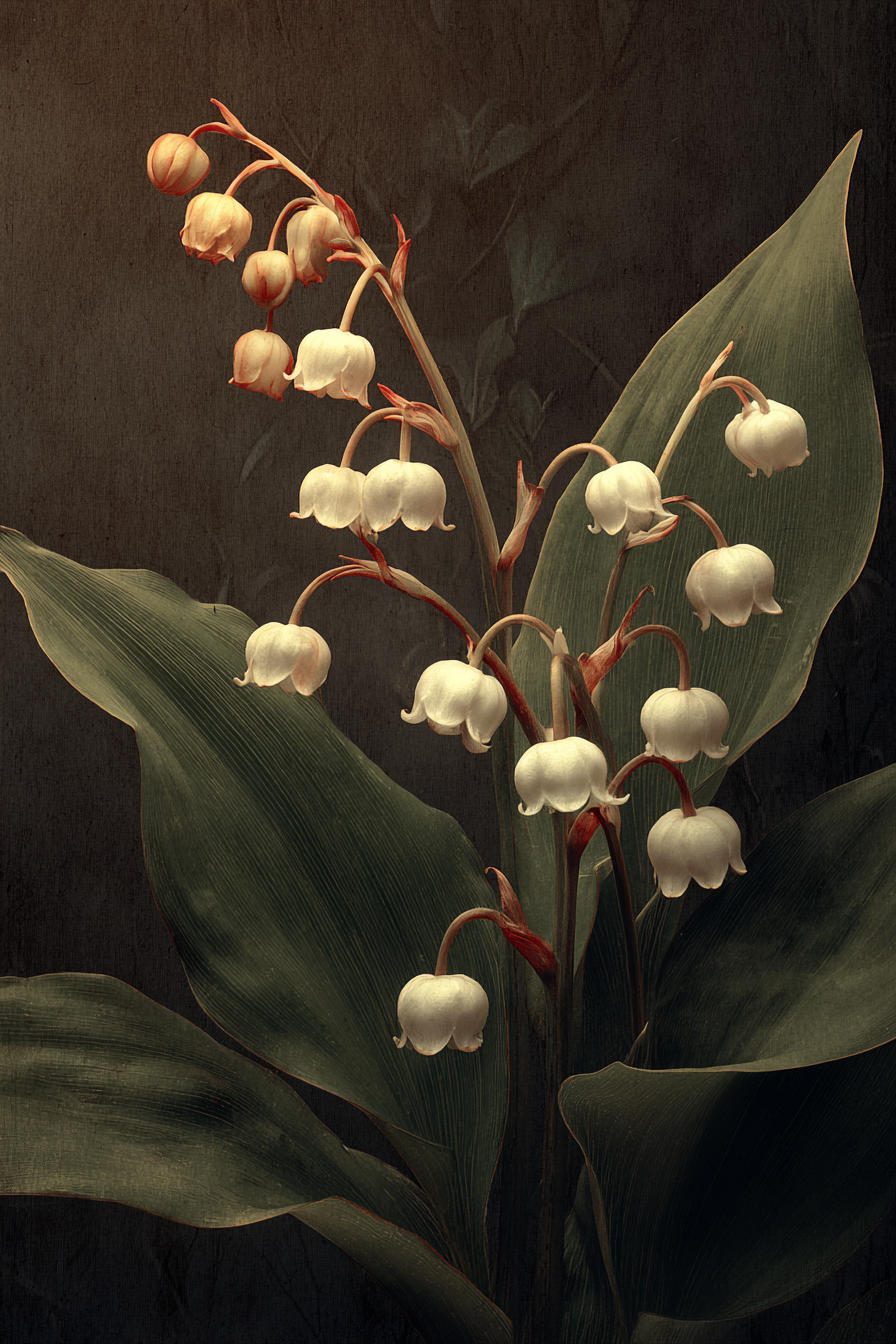
7. Lily of the Valley (Convallaria majalis)
Sweet, delicate, a classic wedding flower – and deeply toxic.
Lily of the valley contains cardiac glycosides similar to foxglove, and even the water in a vase of cut stems becomes poisonous.
The dark cottagecore aesthetic has always understood that innocence and danger can wear the same face.
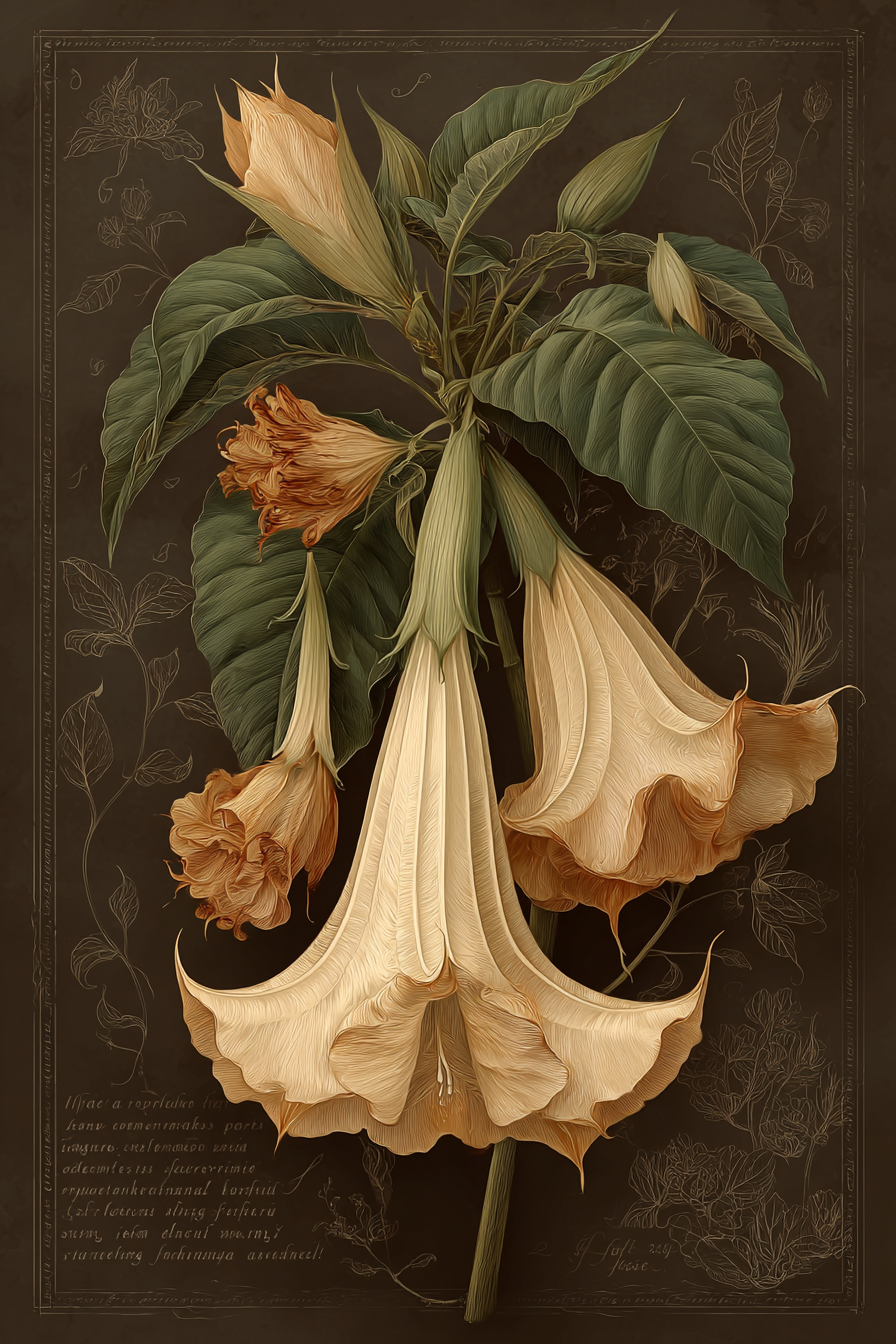
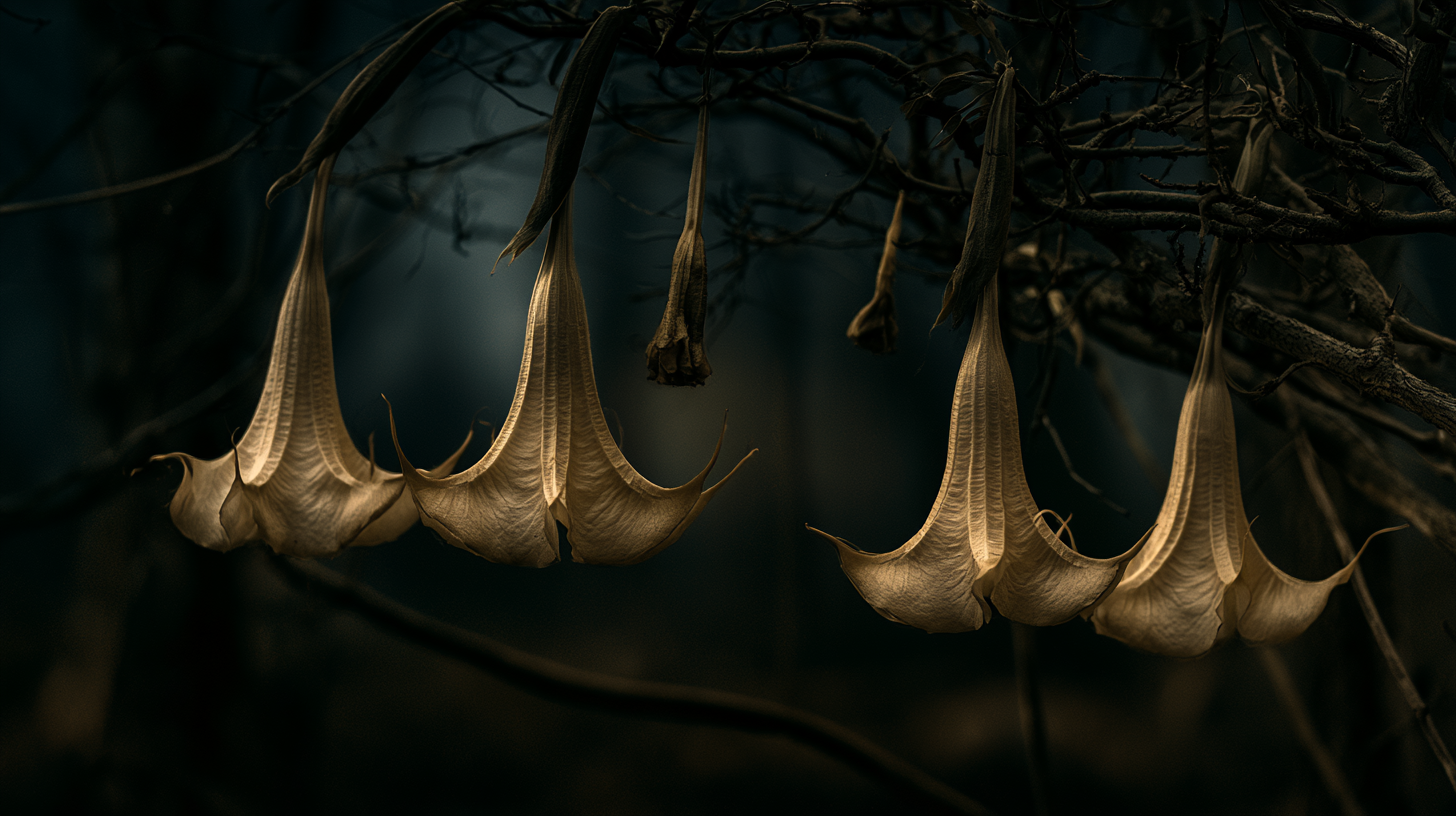
8. Angel's Trumpet (Brugmansia)
Enormous pale trumpet flowers hanging downward, sometimes 50cm long, with a scent that intensifies after dark. Everything about angel’s trumpet feels theatrical and slightly unreal – which is exactly its appeal.
All parts contain alkaloids related to belladonna, with an extremely thin margin between psychoactive and fatal.
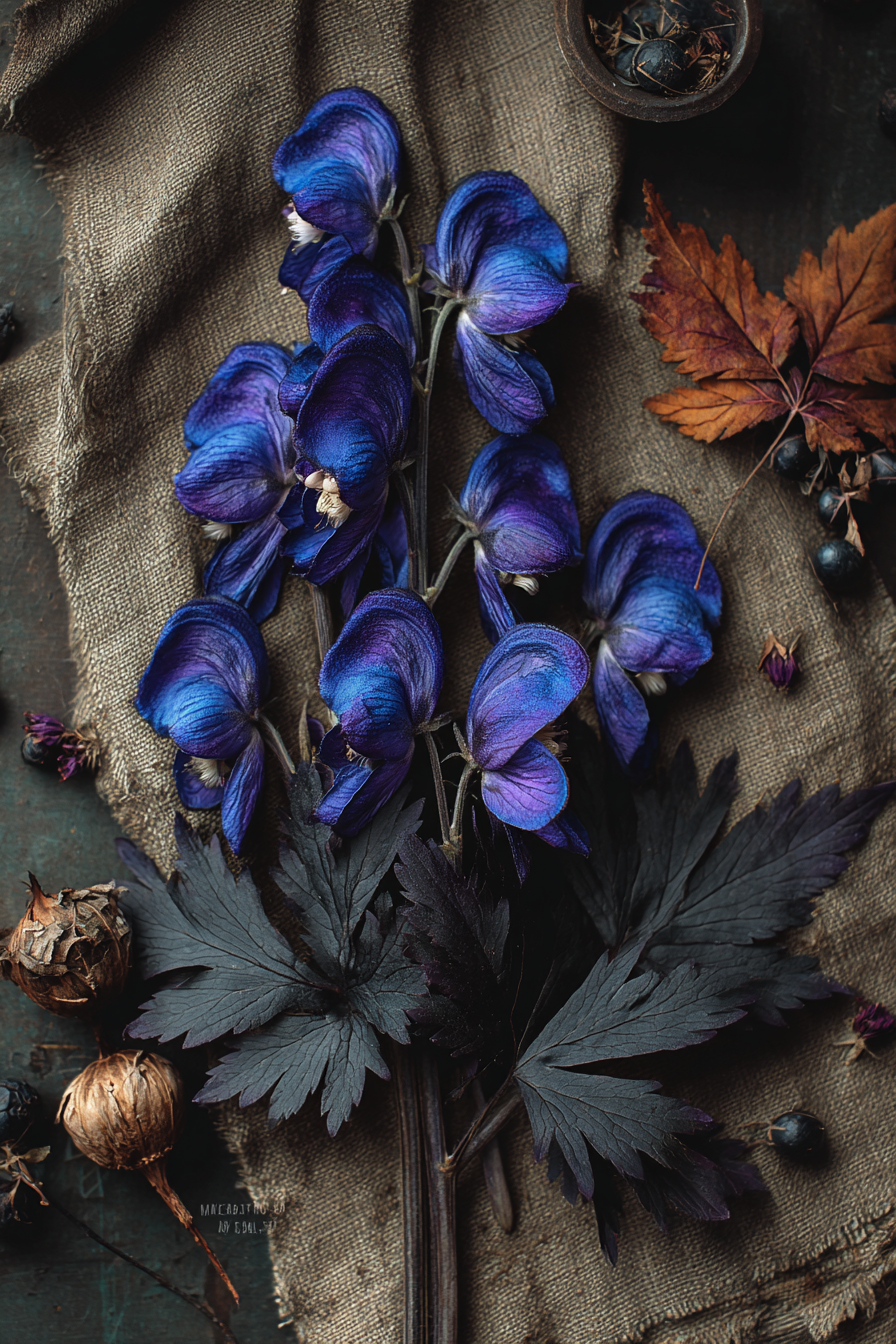
9. Monkshood (Aconitum)
Deep blue-purple hooded flowers rich enough to look painted.
Called the “queen of poisons” in some traditions, monkshood was used in assassinations across European and Asian history.
It looks like something from an illuminated manuscript and has a past to match – a perfect dark cottagecore subject.
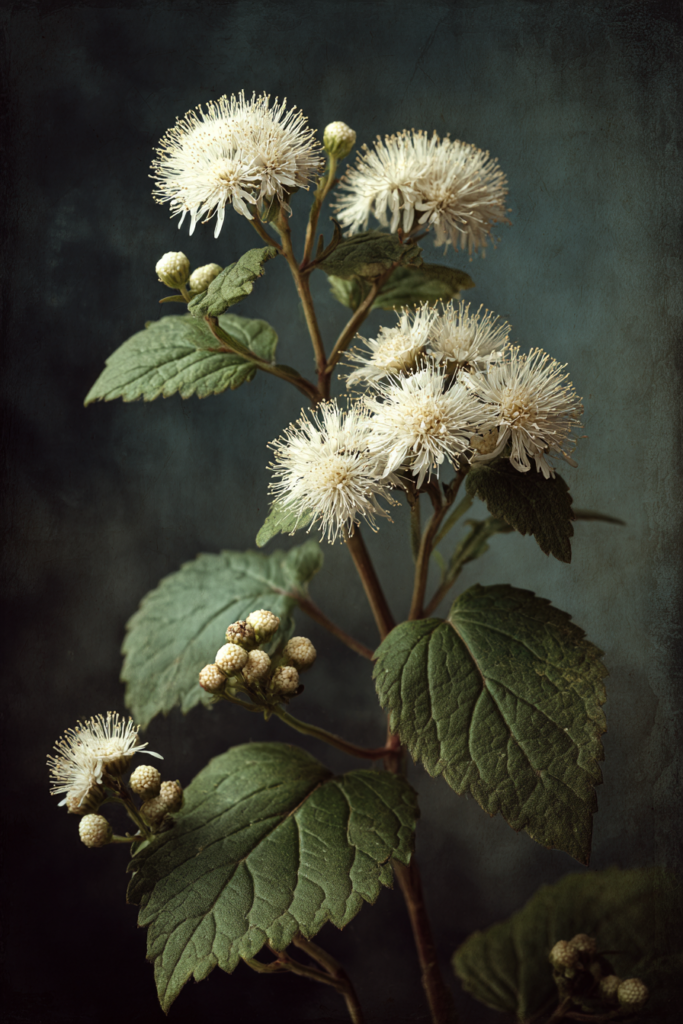
10. White Snakeroot (Ageratina altissima)
Small white woodland flowers – nothing dramatic.
But white snakeroot caused milk sickness, killing thousands of American settlers including Abraham Lincoln’s mother, the toxin passing invisibly through cow’s milk.
Quiet, unassuming, and devastating. There’s something very dark cottagecore about a plant that carries that much history without showing it.
Why Poisonous Plants Are Central to Dark Cottagecore
Dark cottagecore is a rejection of the sanitised, curated version of nature.
It acknowledges that the natural world is wild, indifferent, and genuinely dangerous – and finds that beautiful rather than frightening.
Poisonous plants sit at the heart of that philosophy. They’ve always lived at the intersection of beauty and danger, healing and harm, folklore and botanical fact.
They belong in witch’s gardens and apothecary cabinets, in specimen prints on dark walls and pressed between the pages of old herbals.
They’re not decorative props. They’re the real thing.