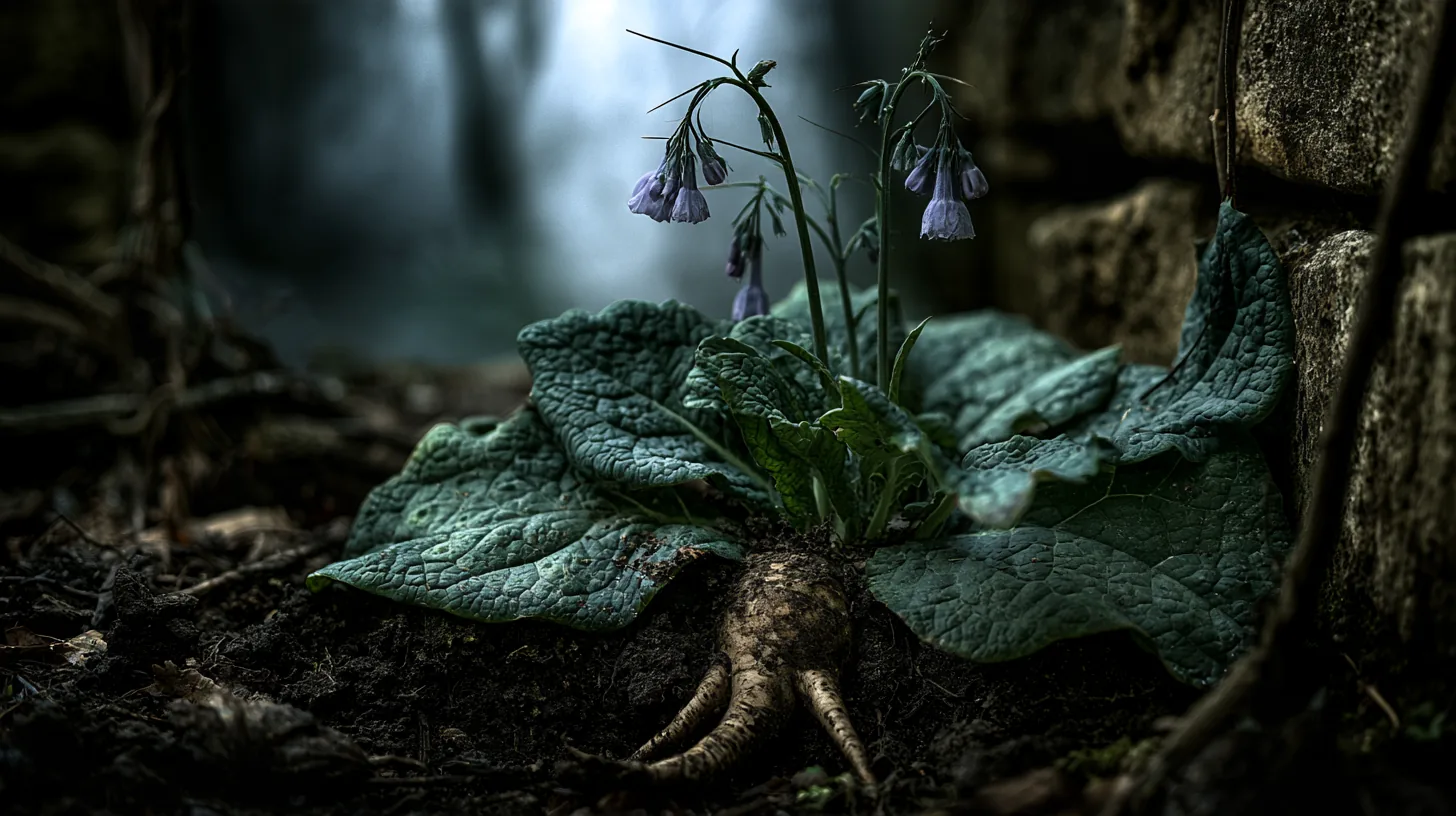
There is a plant whose root can take the shape of a human body. Whose scream, according to centuries of recorded belief, could drive a listener mad. Whose harvest called for a ritual, a dog, and a willingness to accept that some knowledge comes at a price. And whose use as a sleeping draught, a love charm and a poison runs through more than two thousand years of written history.
Mandragora officinarum, the mandrake plant, is the most mythologically saturated plant in the poison garden. Others are more toxic. Others have killed more people. But none has gathered the same density of folklore, fear and meaning across so many times and places. The mandrake is not just a plant. It is an idea that happens to have roots.
RELATED POSTS:

At a Glance
- Scientific name: Mandragora officinarum
- Common name: mandrake
- Family: Solanaceae (the nightshade family)
- Native range: the Mediterranean region
- Toxic parts: all parts, including the root, leaves and berries
- Main toxins: tropane alkaloids, including hyoscyamine and scopolamine (hyoscine)
- Toxicity: high
What It Looks Like
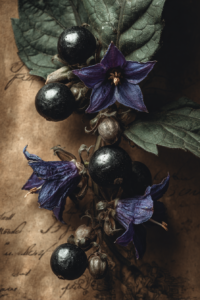
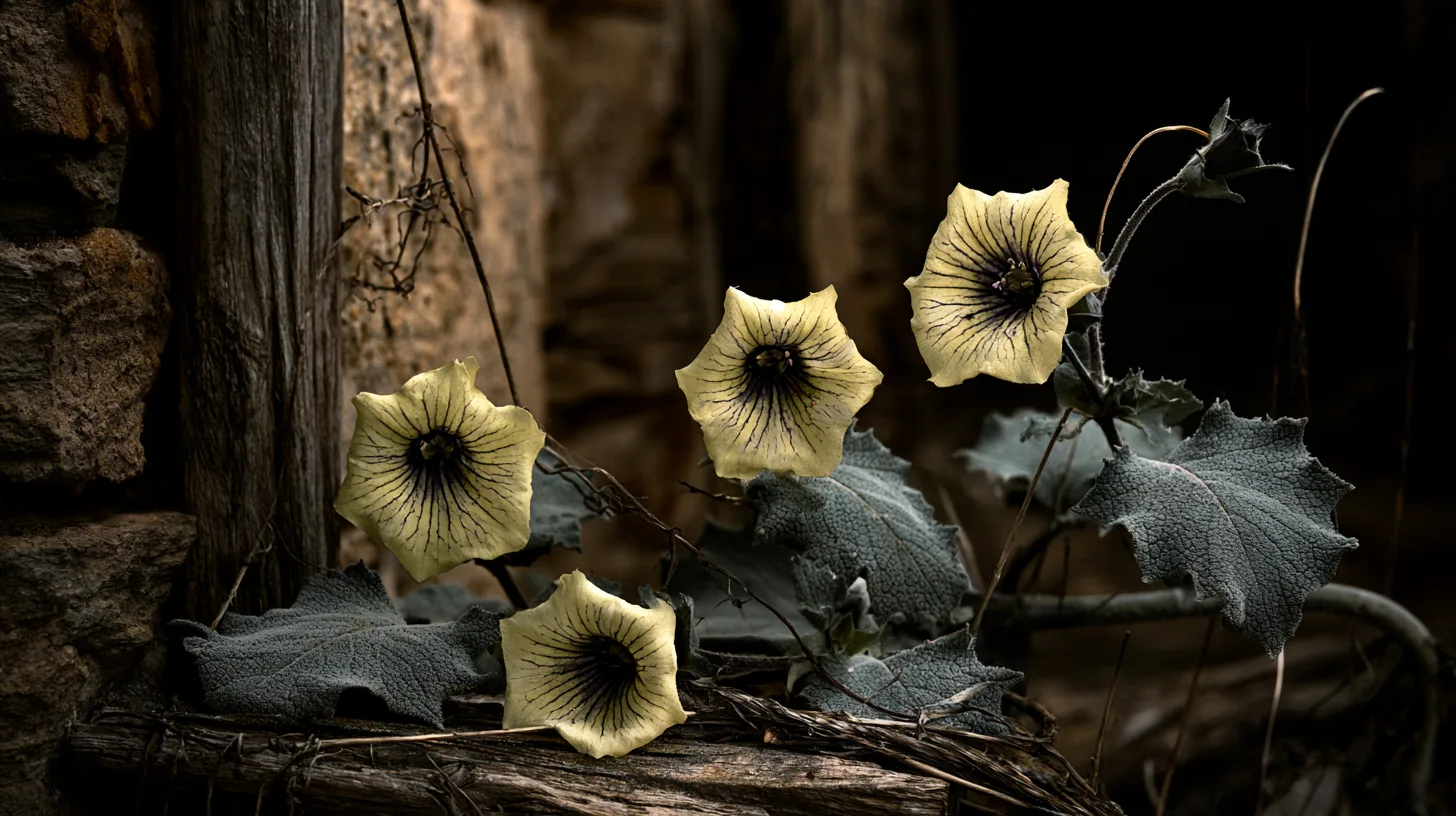
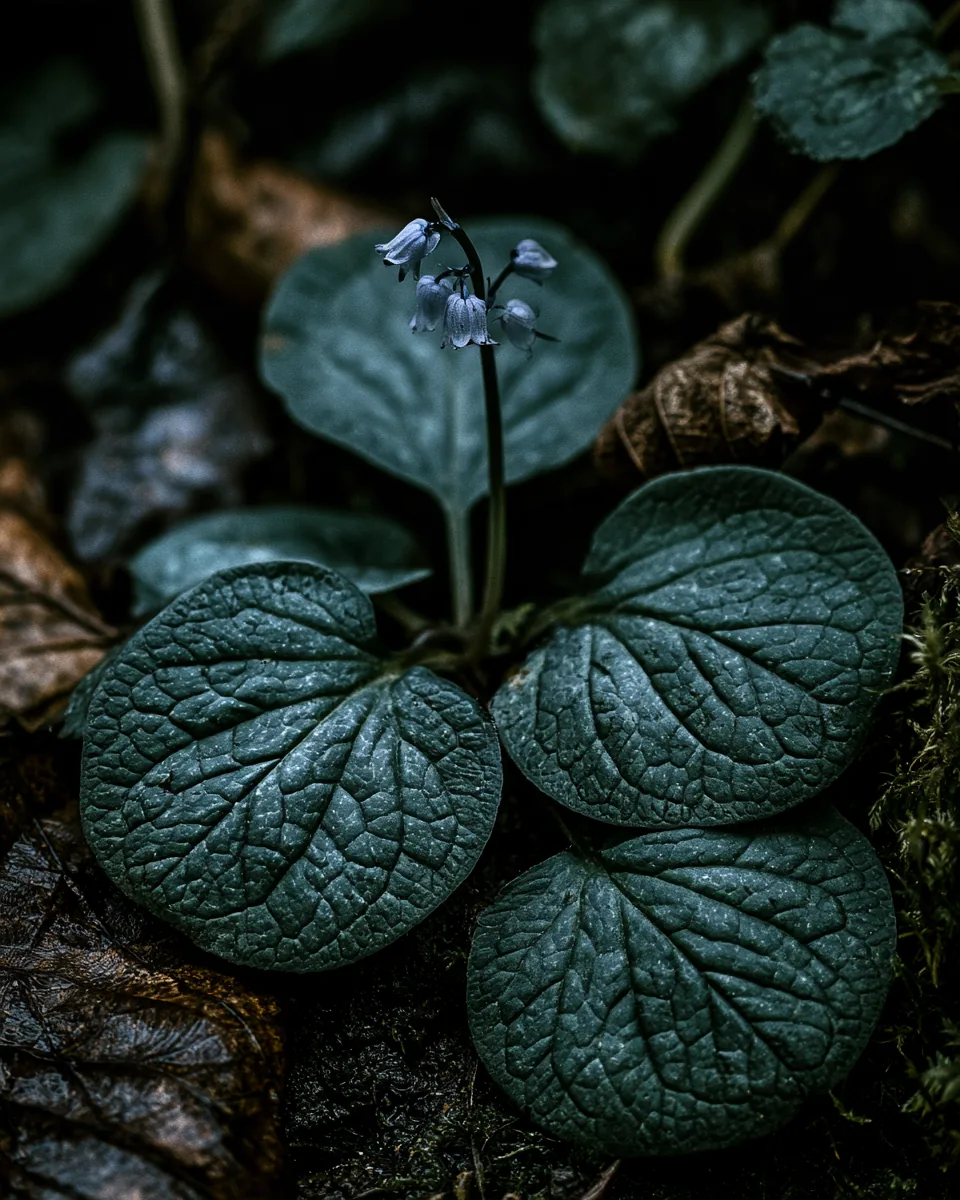
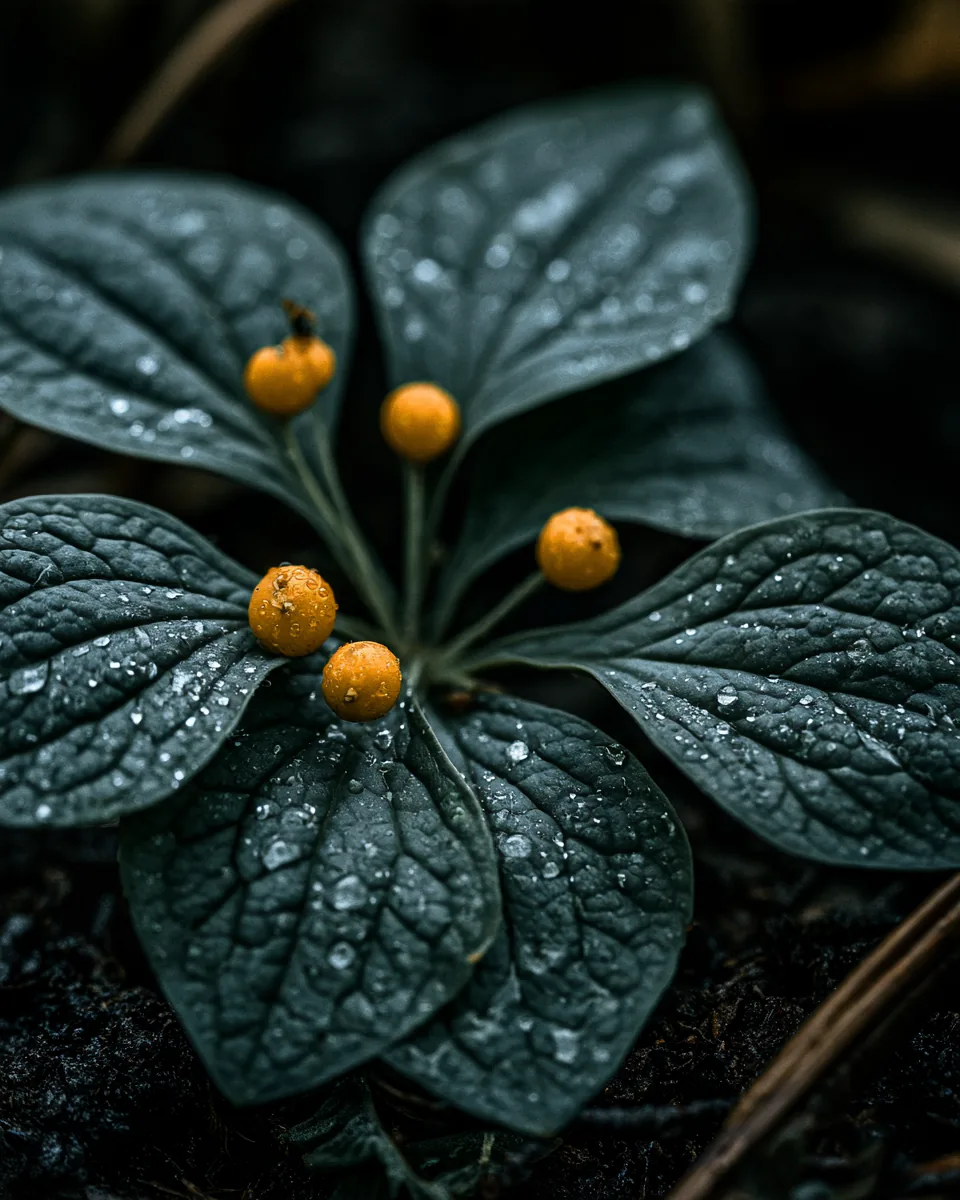
Above ground, the mandrake is easy to overlook. It grows as a flat rosette of large, dark green, wrinkled leaves lying close to the soil, with no real stem. From the center of the rosette come small, bell-shaped flowers in shades from pale violet to white, followed by round berries that ripen to yellow or orange.
Depending on the plant and the region, the flowers appear anywhere from autumn into spring. Some botanists treat the autumn-flowering plants as a separate species, Mandragora autumnalis; others see a single, variable species.
The root is the defining feature. It is a thick, fleshy taproot that grows deep and often divides into branches that suggest legs, and sometimes arms. The resemblance to a human figure is neither constant nor exact, but it is common enough to have driven centuries of belief about the plant’s connection to human life.
The Poison: What It Does
Mandrake belongs to the nightshade family alongside belladonna and datura, and shares their chemistry. Its tropane alkaloids, including hyoscyamine and scopolamine, block the nervous system’s messenger acetylcholine and produce what doctors call an anticholinergic poisoning.
Reported symptoms of mandrake poisoning include:
- Nausea and dizziness
- A very dry mouth
- Dilated pupils and blurred vision
- A rapid heart rate
- Agitation, confusion and delirium, and sometimes loss of memory for the episode
Poisonings still happen. A 2009 report from Crete described two people who ate mandrake leaves cooked as a vegetable, mistaking them for an edible green, and needed hospital treatment for a racing heart and blurred vision. The same report counted at least 24 published cases of mandrake poisoning between 1970 and 2008. Severe poisoning is a medical emergency.
RELATED POSTS:
History and Folklore
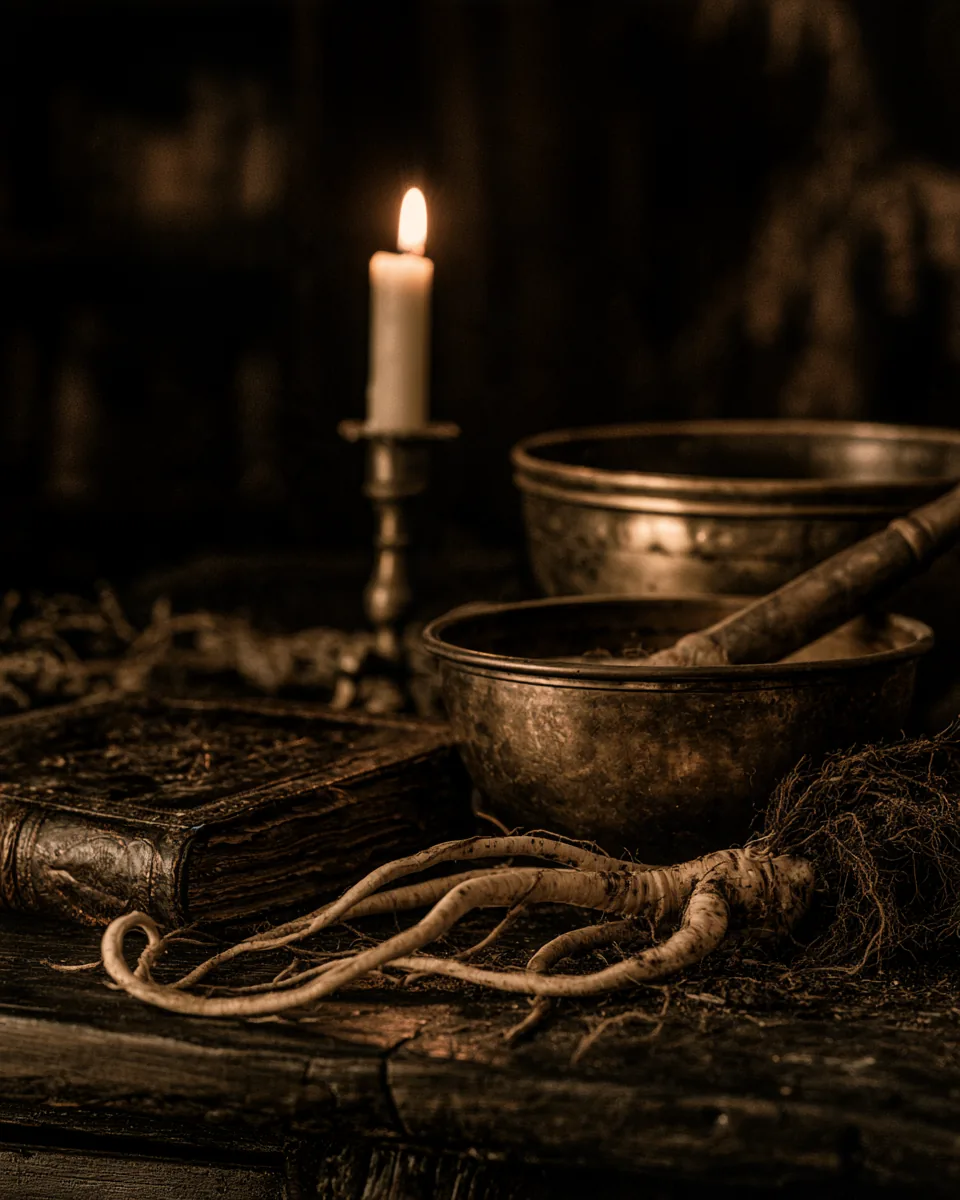
Few plants have a longer written history. The mandrake appears in the Hebrew Bible, in Greek and Roman medicine, in medieval herbals, in the lore of witchcraft and in Shakespeare.
Mandrakes in the Bible
In the Book of Genesis (30:14 to 16), Reuben finds mandrakes in a field and brings them to his mother Leah, and her sister Rachel bargains for them. The passage has long been read as reflecting a belief that mandrakes encouraged love or fertility, a reputation the plant carried for centuries afterward.
An Ancient Sleeping Draught
The first-century Greek physician Dioscorides, who served as a doctor with the Roman army, described mandrake in detail in his herbal, De Materia Medica, including a preparation of mandrake in wine given to patients before surgery to bring on sleep and dull pain. It was not anesthesia in the modern sense, and it was never safe, but it was a real attempt to spare people the pain of the knife.
The Screaming Root
The most famous mandrake legend holds that the root shrieked when it was pulled from the earth, and that anyone who heard it would go mad or die. In the Middle Ages, the plant was valued as a cure for headaches, earache and even insanity, and at the same time feared as dangerous to harvest.
The solution, shown in medieval manuscript illustrations, was to let a dog take the risk: the harvester loosened the soil, tied a dog to the root and called it from a safe distance, so the dog pulled the mandrake free and suffered the consequences. No one knows exactly how the legend began. It is easy to see, though, how a root shaped like a body, with a poison that clouds the mind, might be imagined to have a voice.
Witchcraft and Flying Ointments
The nightshade family is woven through the lore of European witchcraft. Stories of so-called flying ointments describe preparations of plants such as henbane and belladonna rubbed into the skin, and later writers often added mandrake to that list. How much of this reflects real practice and how much grew from rumor, accusation and literature is still debated by historians.
Mandrake in Shakespeare
By Shakespeare’s time, a single word could summon the whole legend. In Romeo and Juliet, Juliet fears waking in the tomb to “shrieks like mandrakes torn out of the earth, / That living mortals, hearing them, run mad.” In Othello, Iago turns the plant’s sleeping power against his victim: “Not poppy nor mandragora, / Nor all the drowsy syrups of the world, / Shall ever medicine thee to that sweet sleep / Which thou owedst yesterday.” The poppy he names is another old sleeping plant, the opium poppy.
In the Poison Garden
Mandrake holds a particular place in the poison garden as the plant that most completely embodies the long entanglement of botanical knowledge and the supernatural. Every plant in the collection has a real chemistry behind its history. Mandrake has that, and it also carries a body of legend so old and so consistent that it is worth knowing for its own sake.
The screaming root, the human shape, the links to love, sleep, witchcraft and death are not random. They are the record of people trying to make sense of a plant whose effects on the body were real, powerful and deeply strange. Without a framework for what it did, they reached for the supernatural.
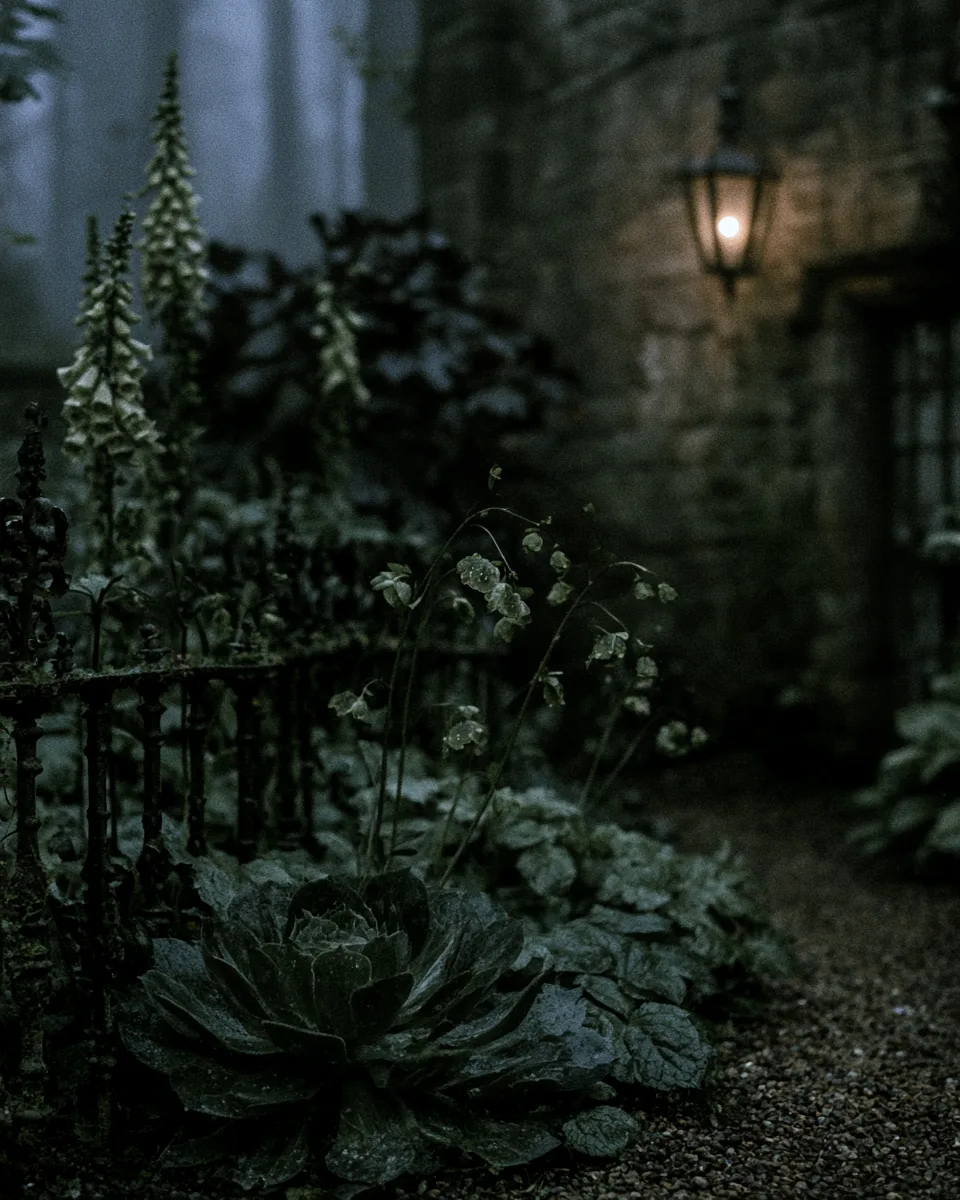
In a dark cottagecore garden, mandrake is a plant of quiet interest rather than display: a low, dark rosette, pale flowers in the cold months, and a root that most visitors will never see. It is grown by specialists as a curiosity, and it belongs, like every plant on this list, where children and pets cannot reach it.
RELATED POSTS:
A Note on Safety
All parts of Mandragora officinarum are toxic. The berries should never be eaten, and the leaves have been mistaken for edible greens. Wear gloves when handling the plant, keep it away from children and pets, and never use it in food, drink or anything applied to the skin. If mandrake poisoning is suspected, seek emergency medical care or contact a poison control center immediately.
Frequently Asked Questions
Is the mandrake plant real?
Yes. Mandrake is a real plant, Mandragora officinarum, a member of the nightshade family native to the Mediterranean region. The screaming root is legend, but the plant, its forked root and its poison are real.
Does a mandrake really scream?
No. The scream belongs to folklore. Medieval belief held that the root shrieked when pulled up and that the sound caused madness, which is why manuscripts show dogs being used to uproot it.
Are mandrakes in the Bible?
Yes. Mandrakes appear in Genesis 30, where Reuben gathers them and Rachel bargains with Leah for them, and again in the Song of Songs. The Genesis story is usually read as reflecting a belief in the plant’s power over love and fertility.
Part of the Poison Garden Plant List
Mandragora officinarum is one of the plants profiled in the Atropa Studio Poison Garden Plant List. Explore the full collection of toxic and bewitching botanicals, and save this post for the next time the mandrake comes up in a story.